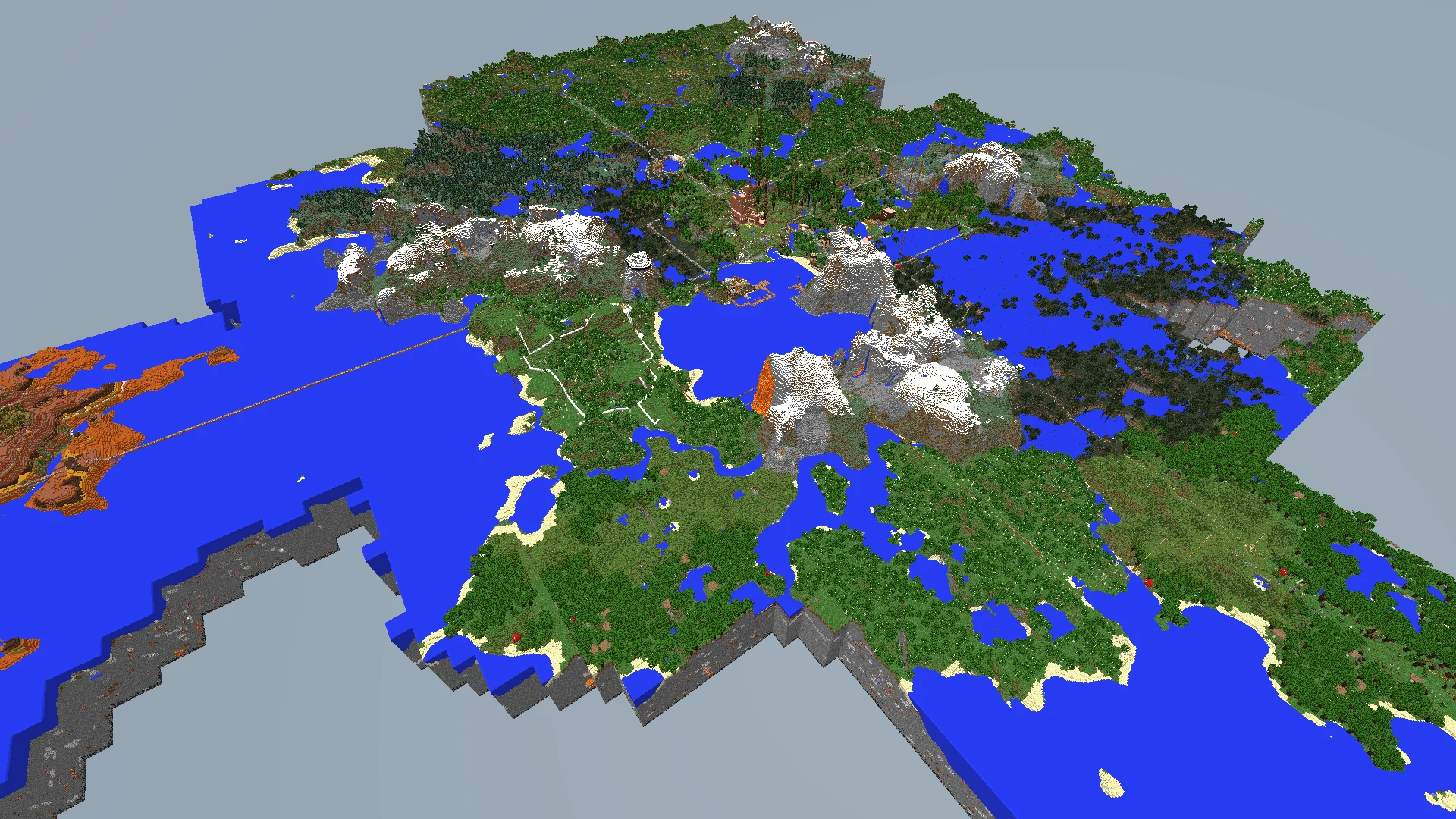
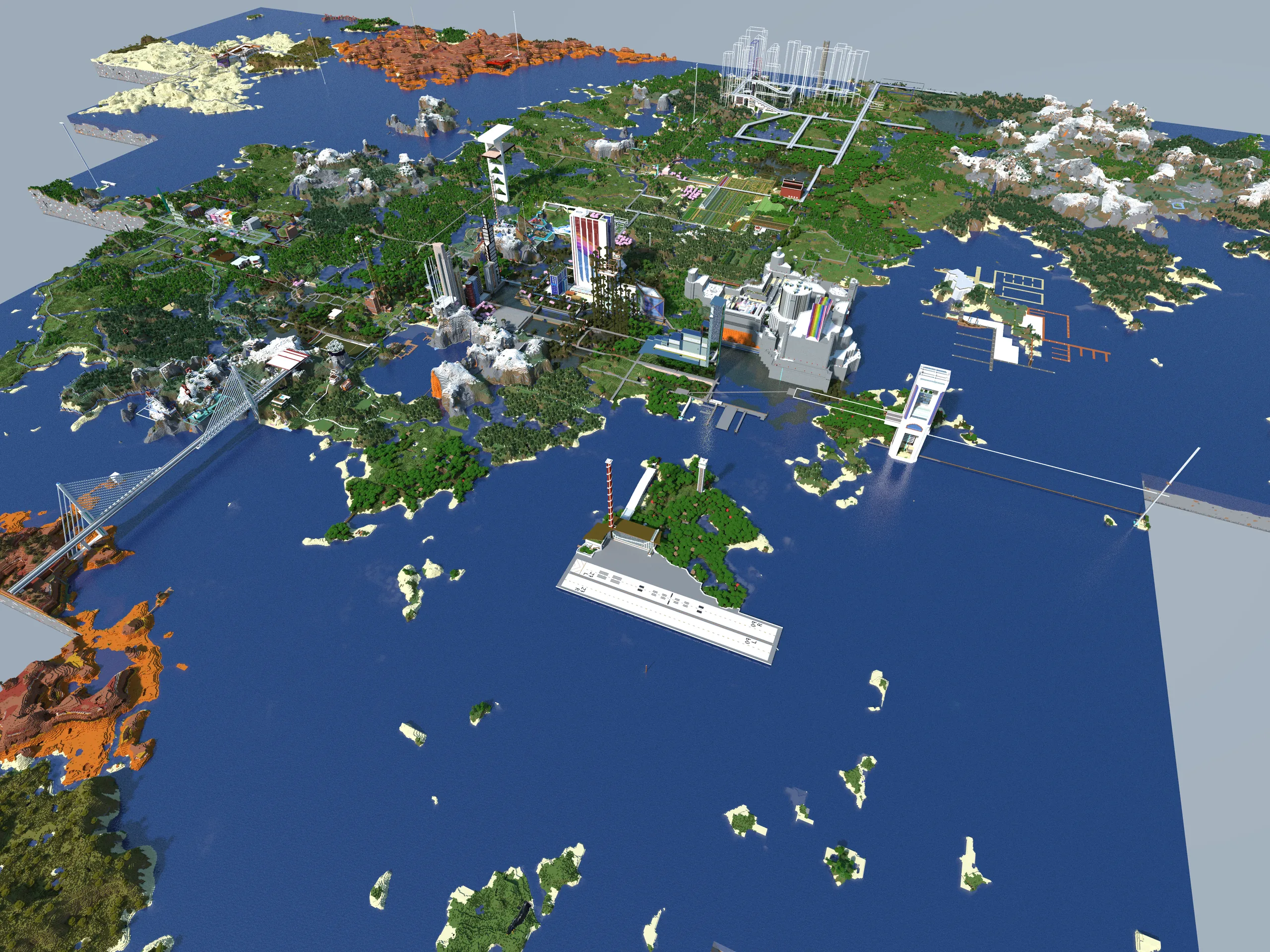
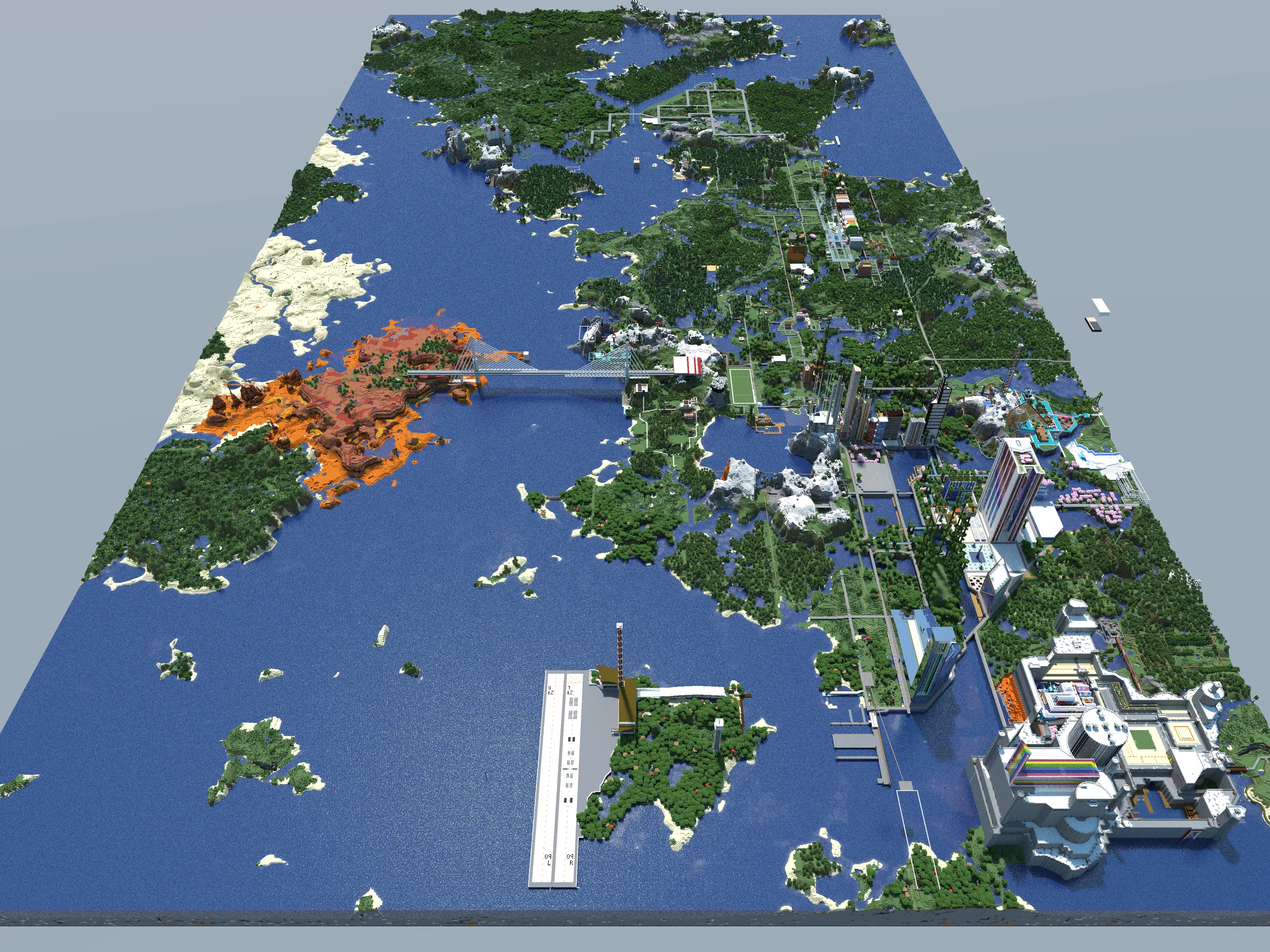
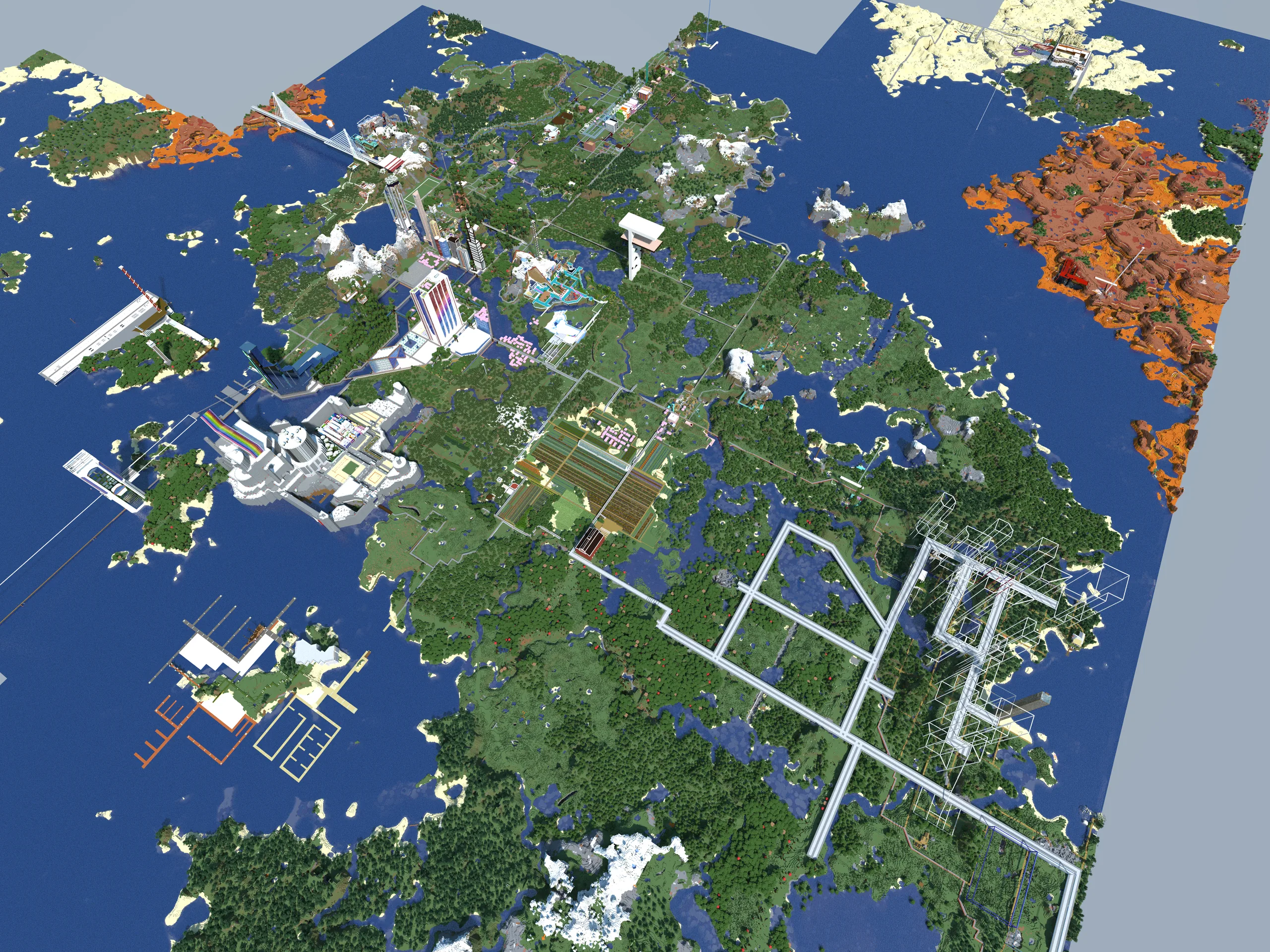
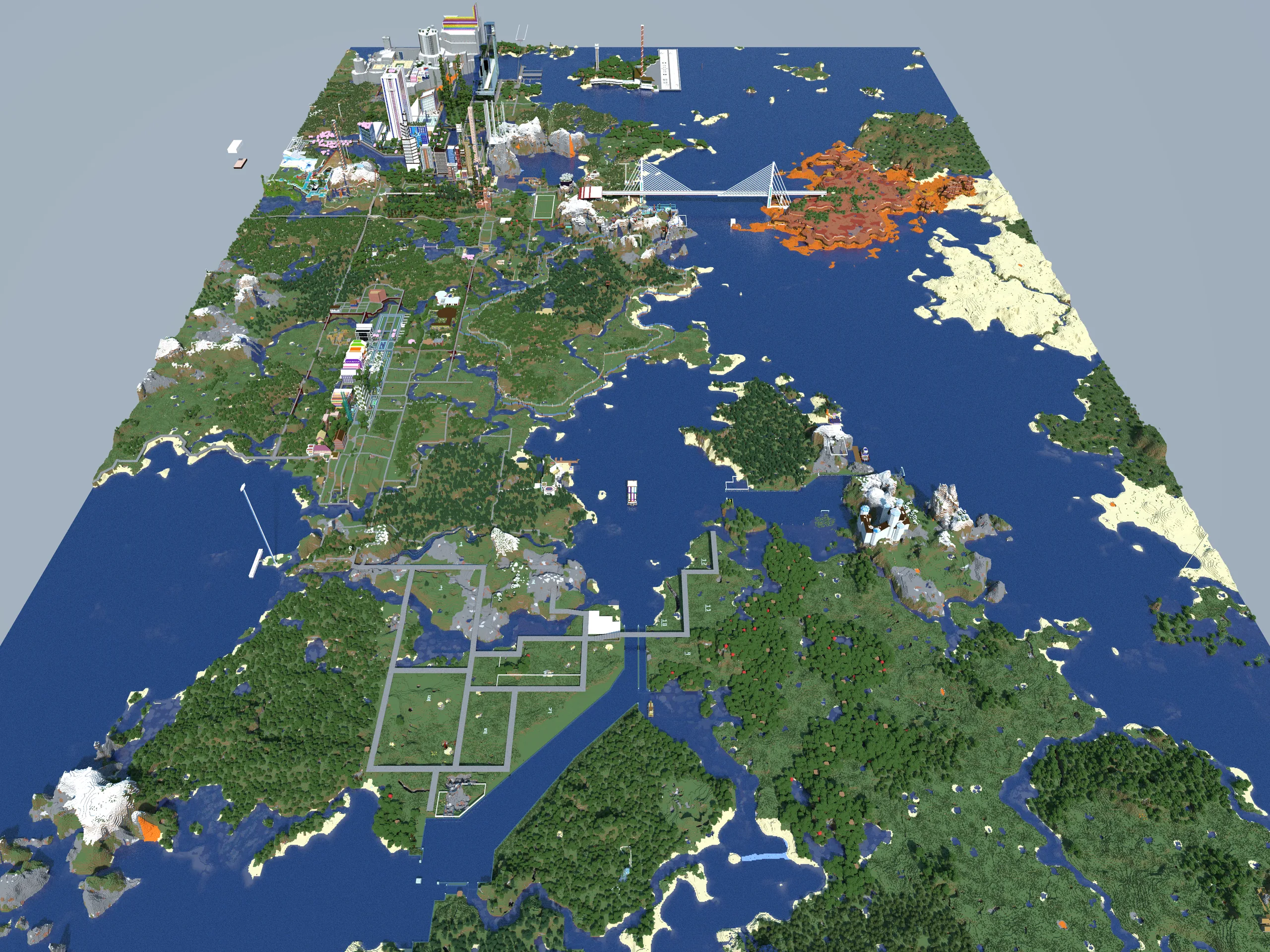
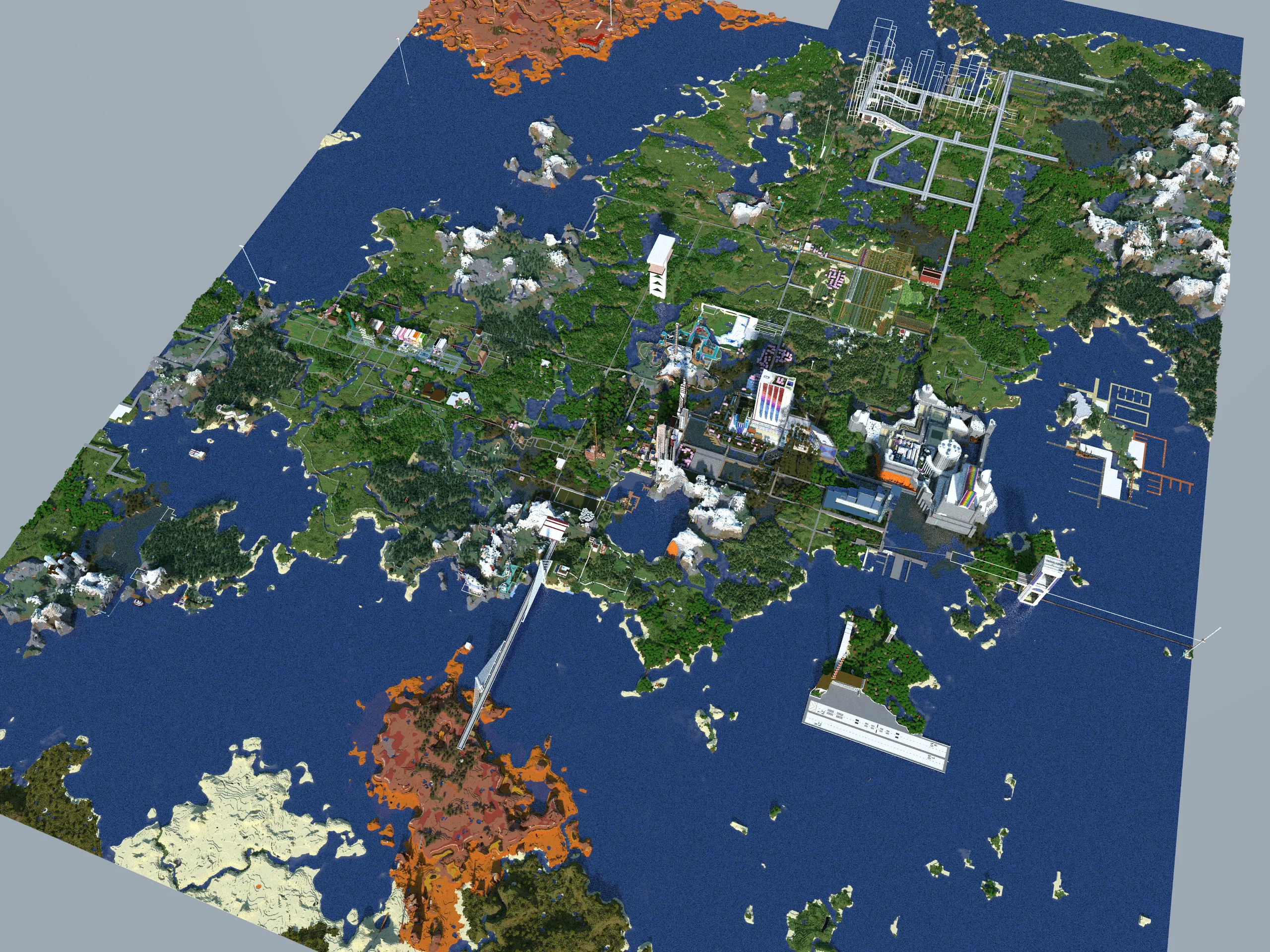
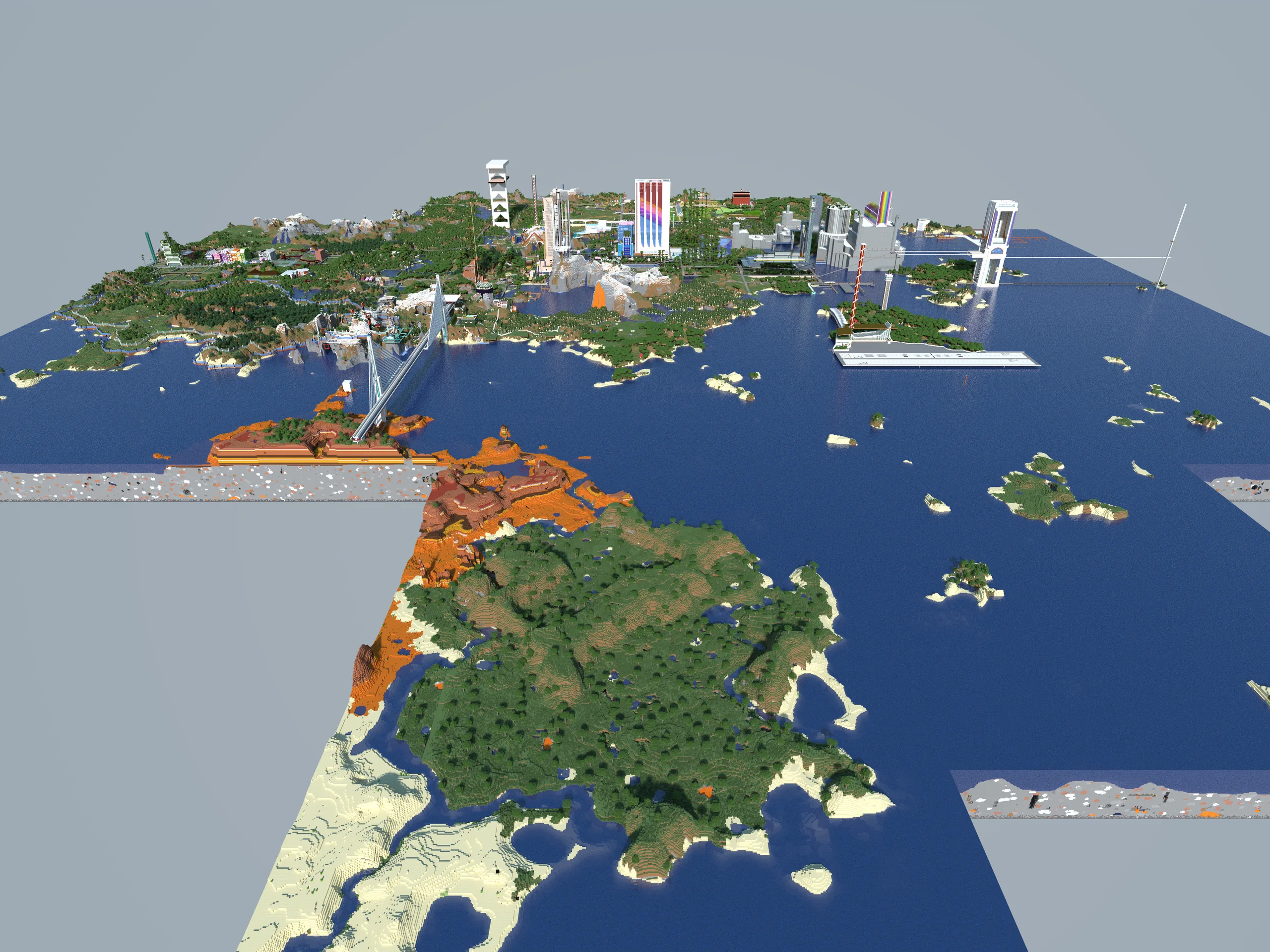
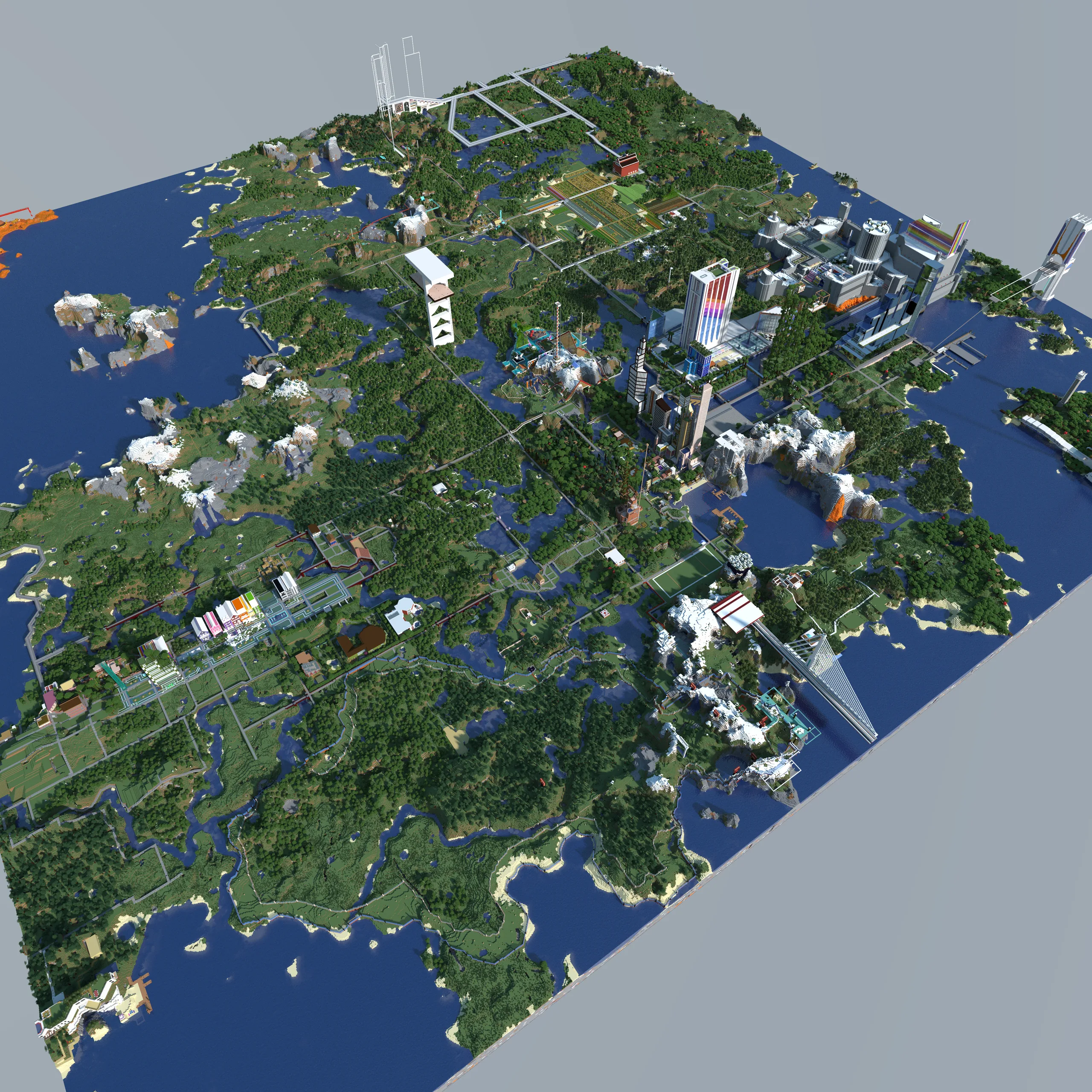
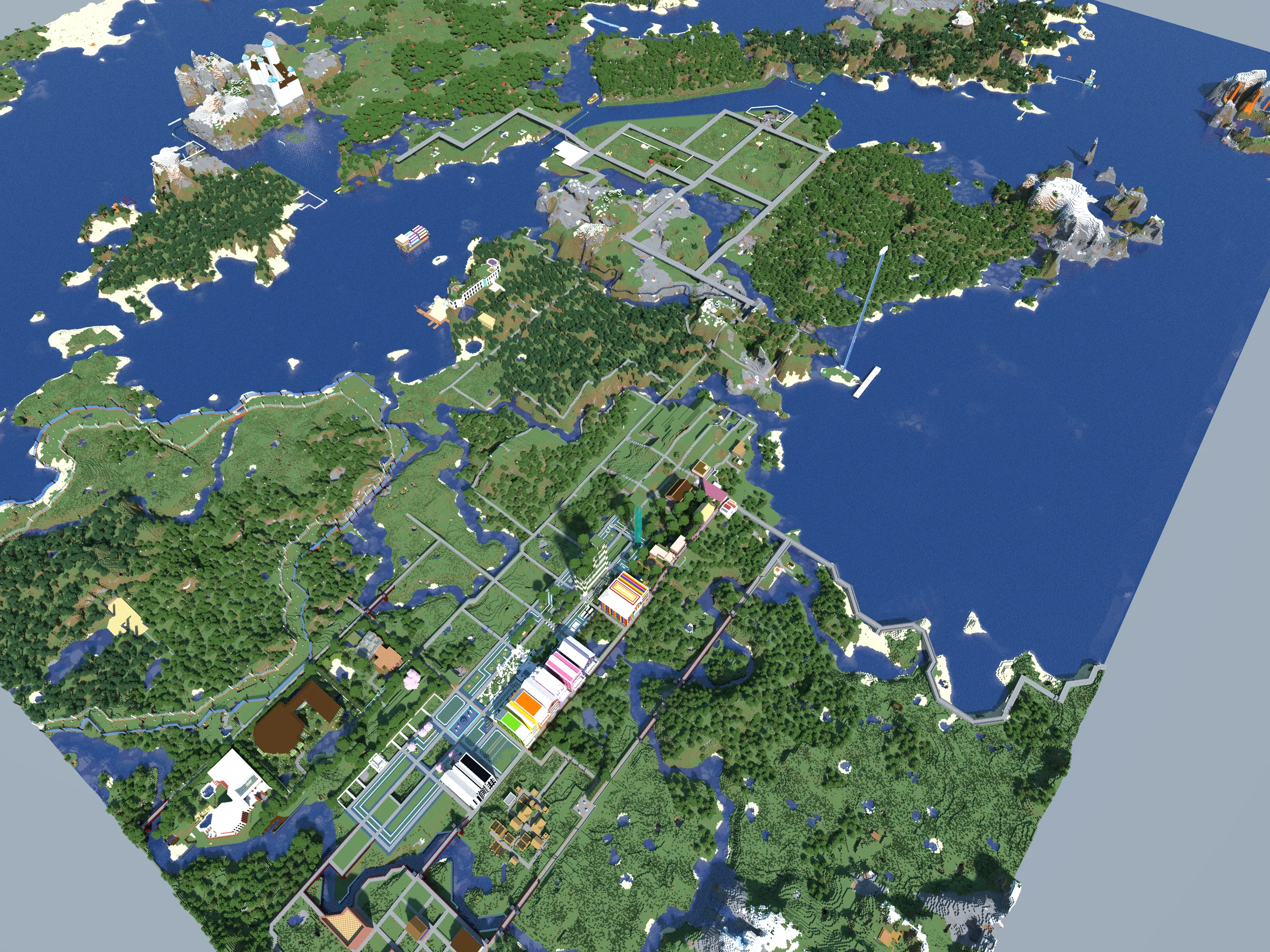
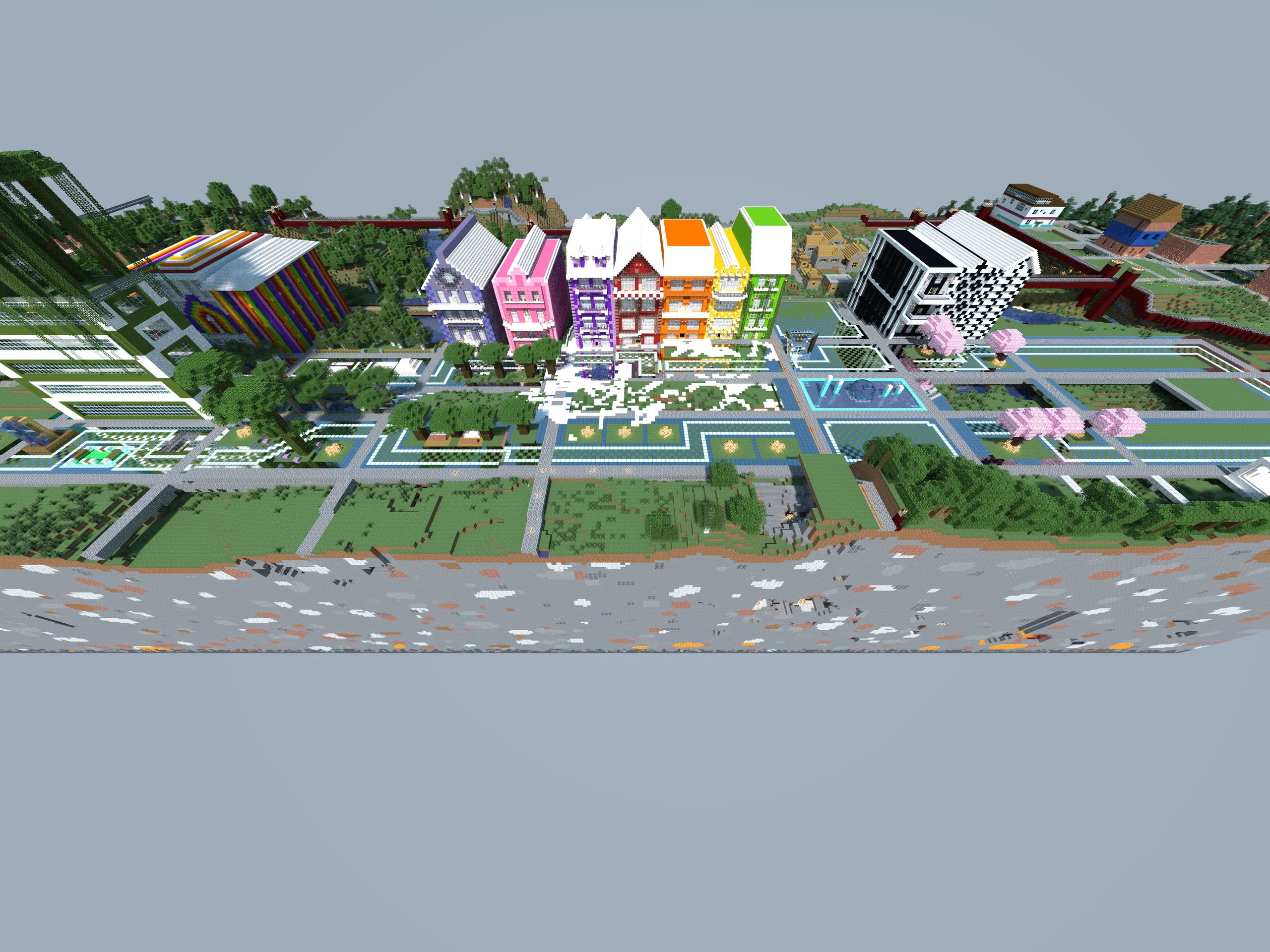
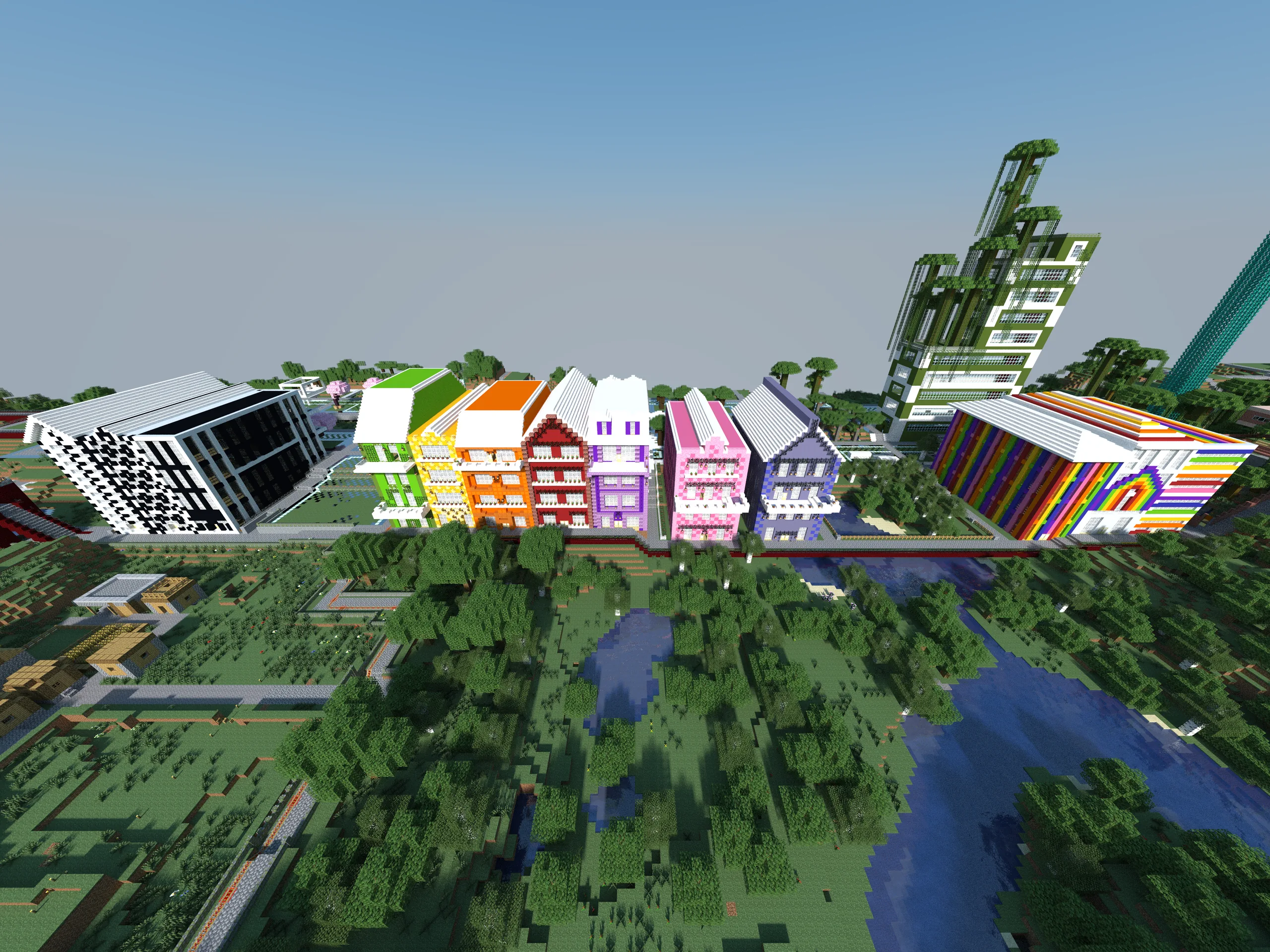
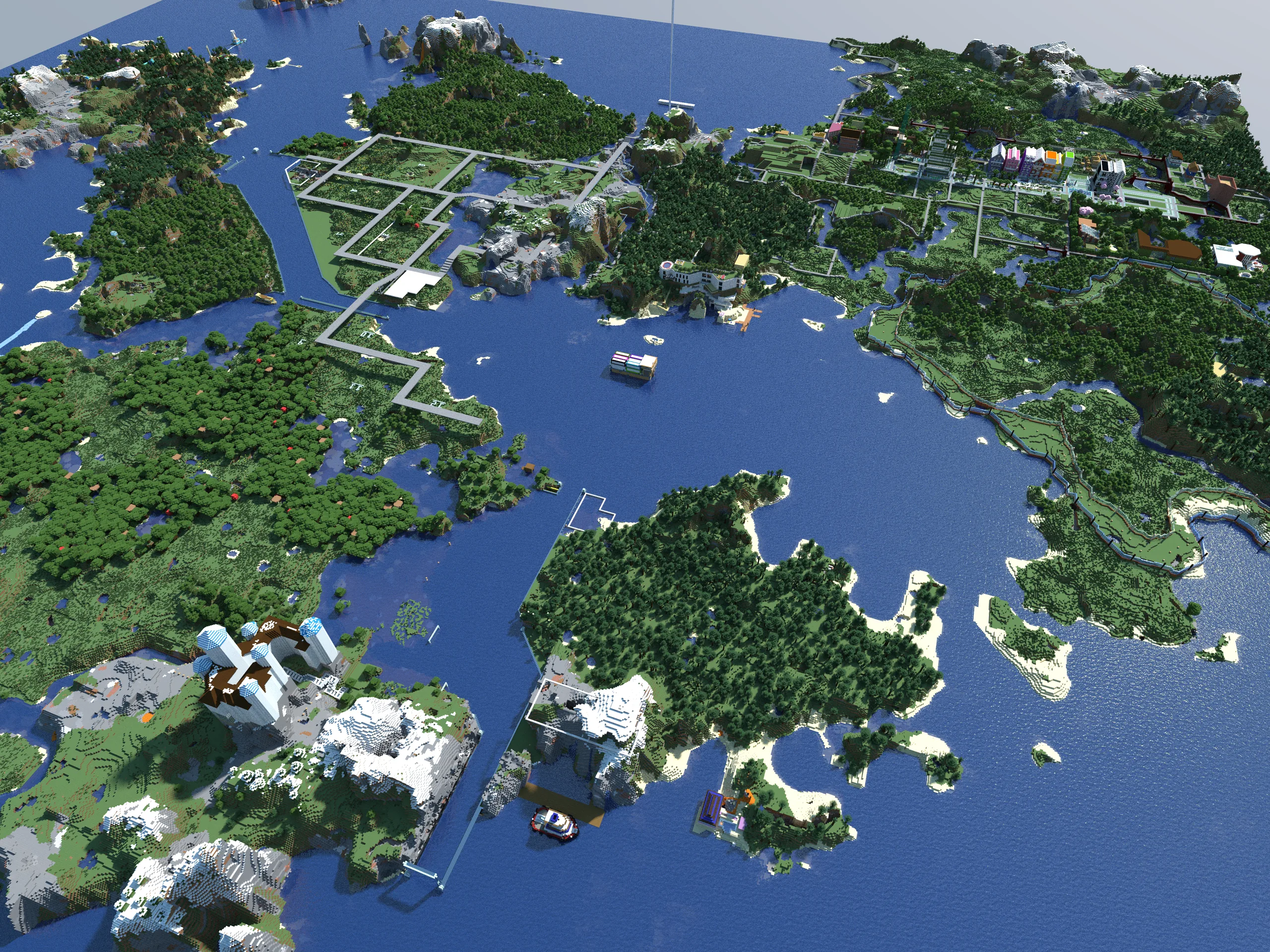
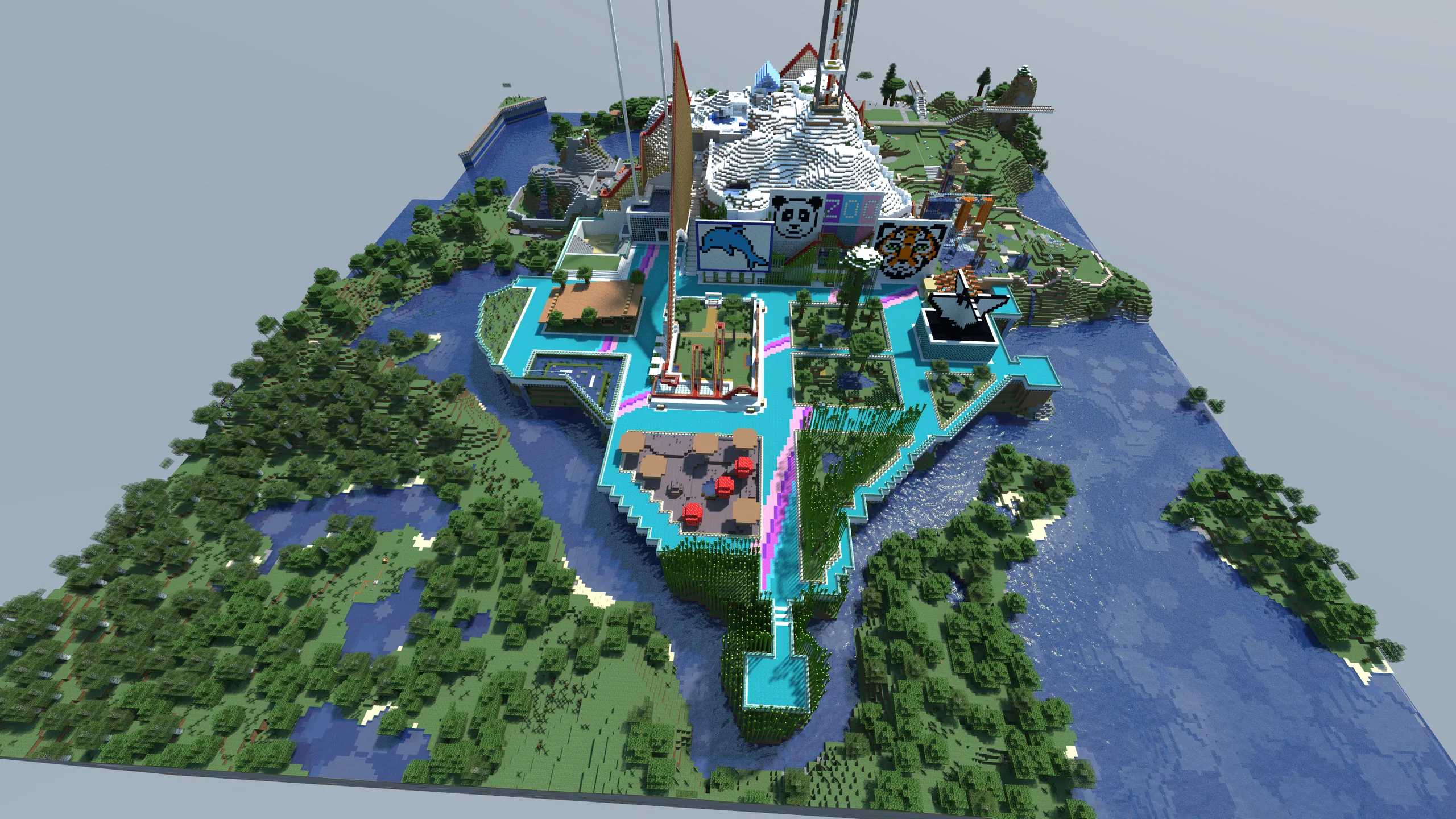
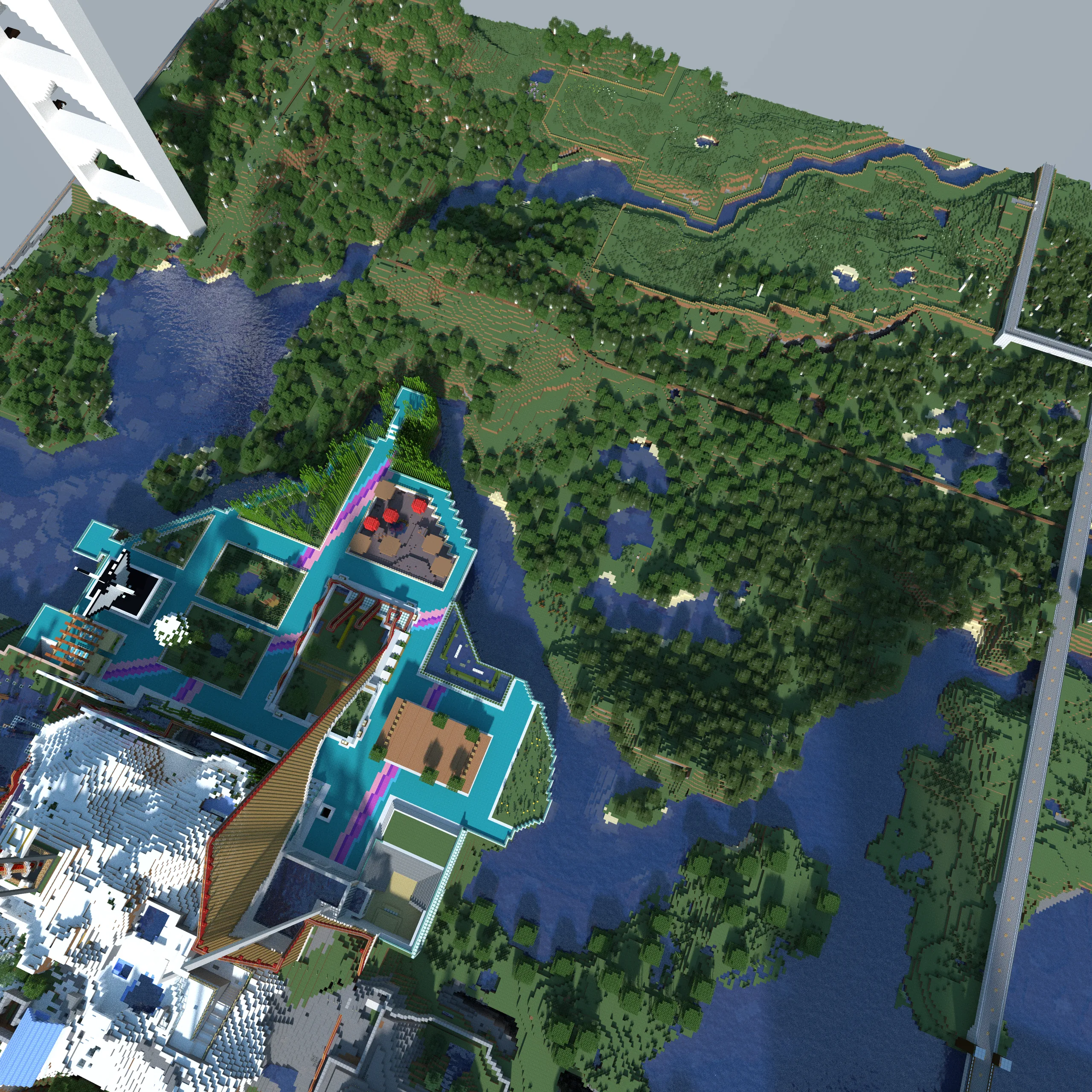
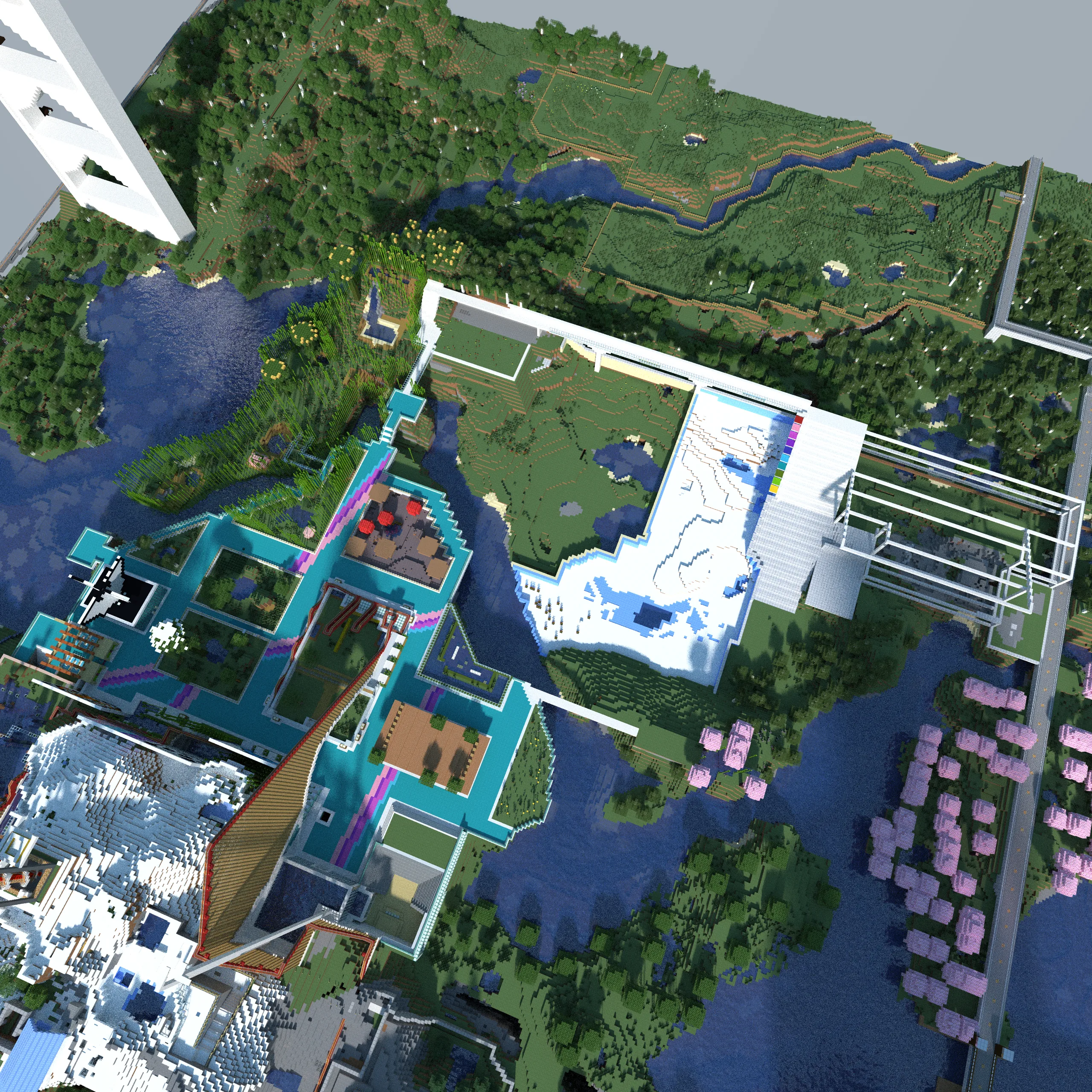
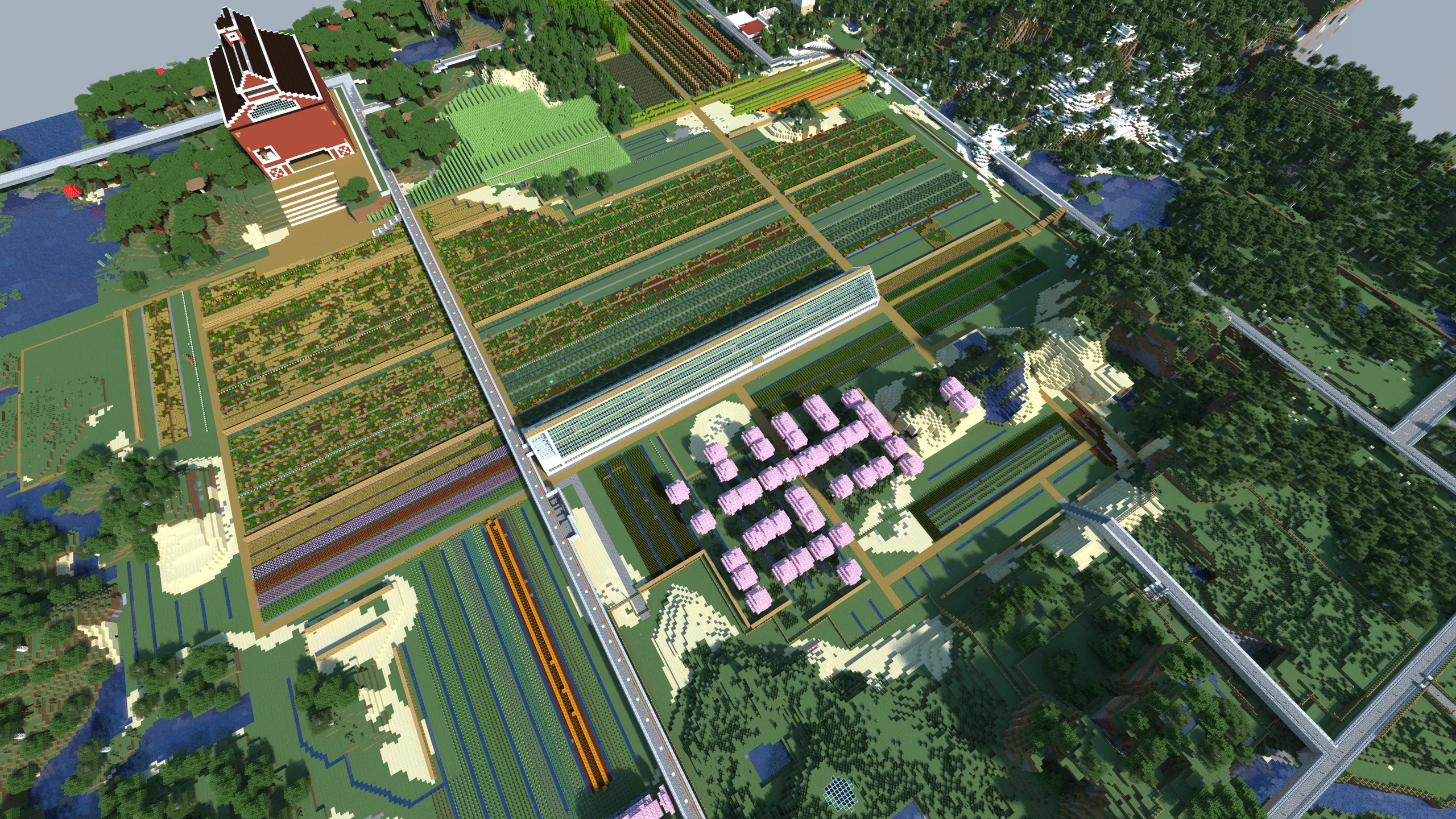
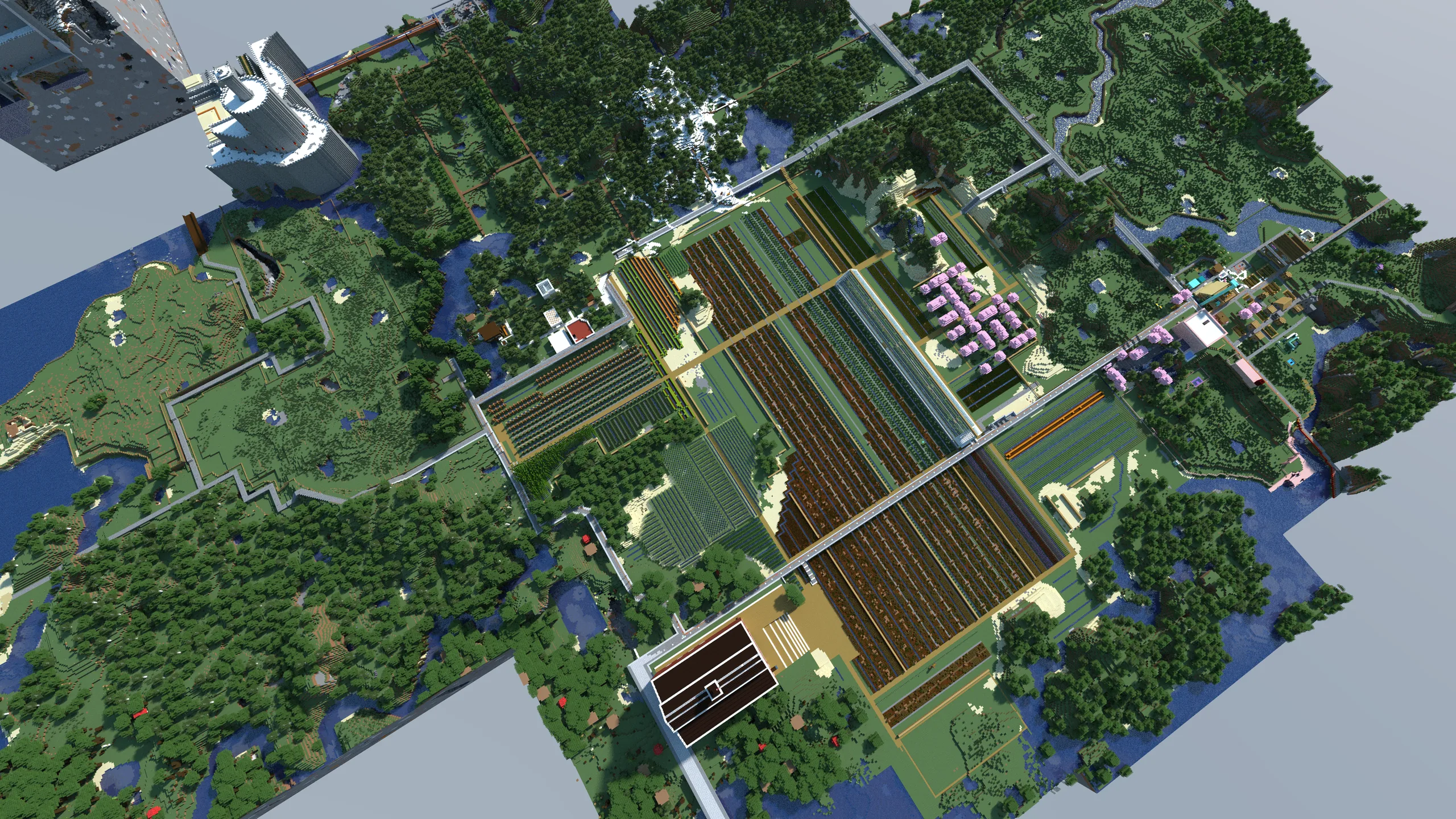
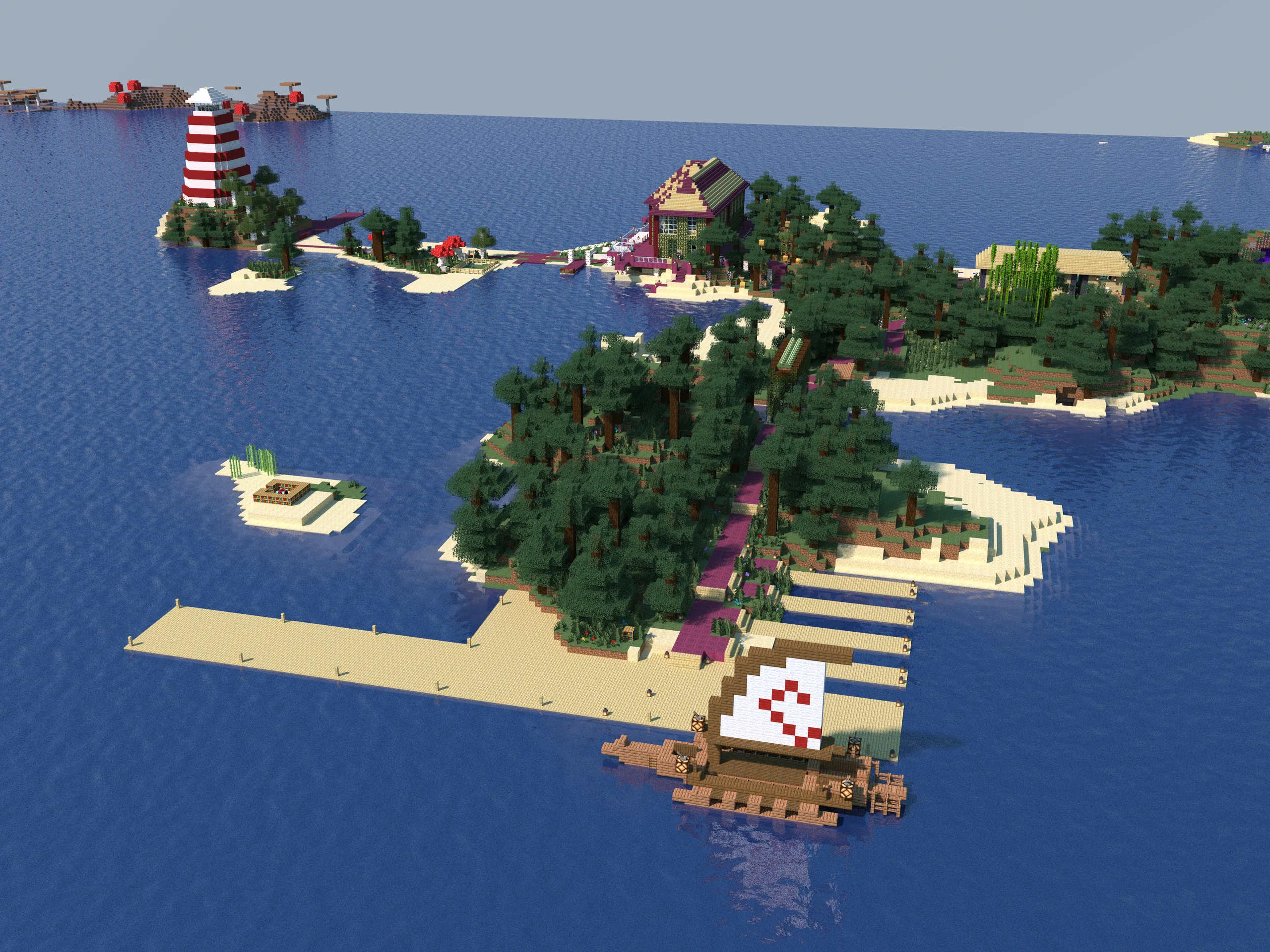
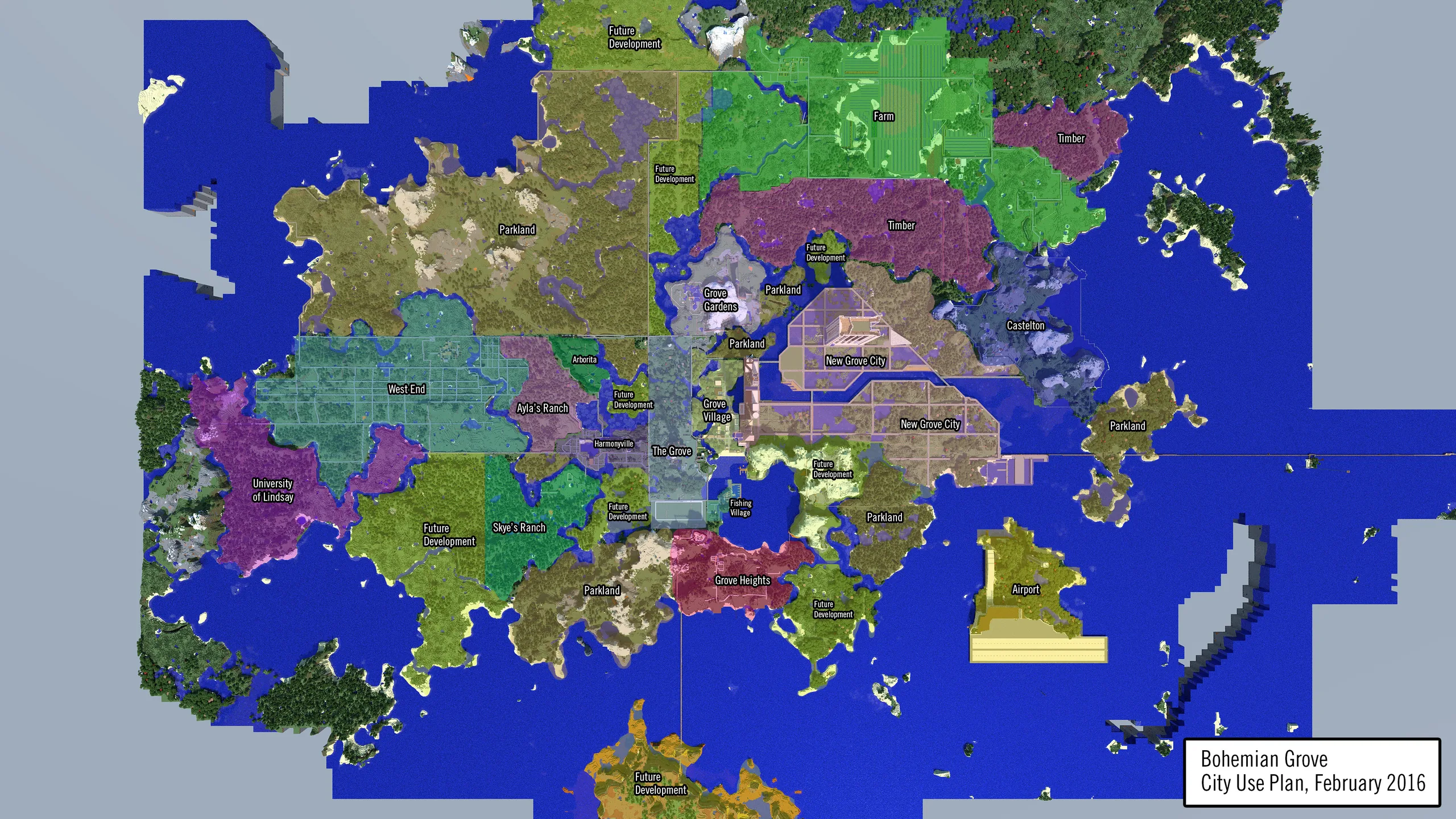
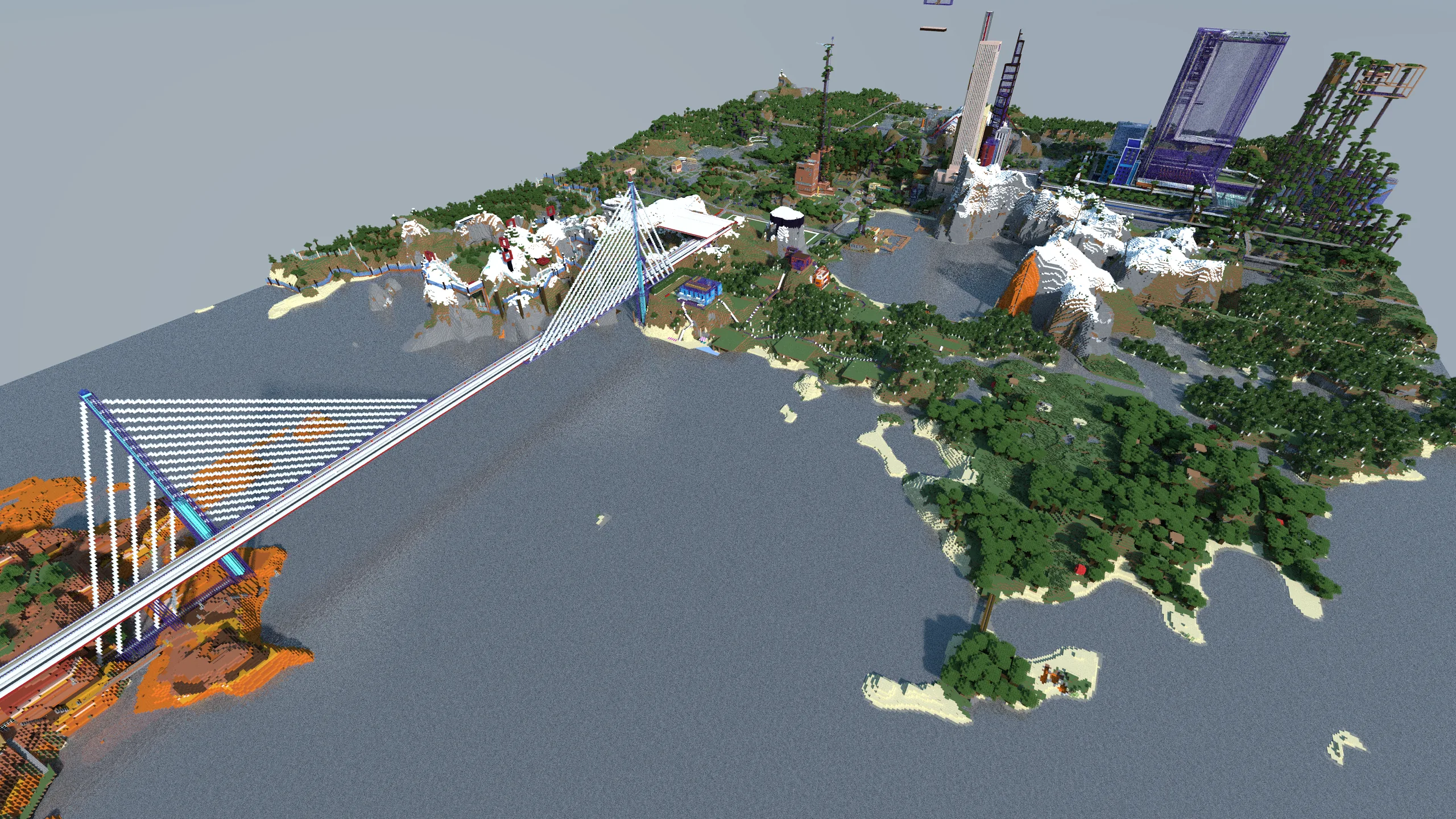
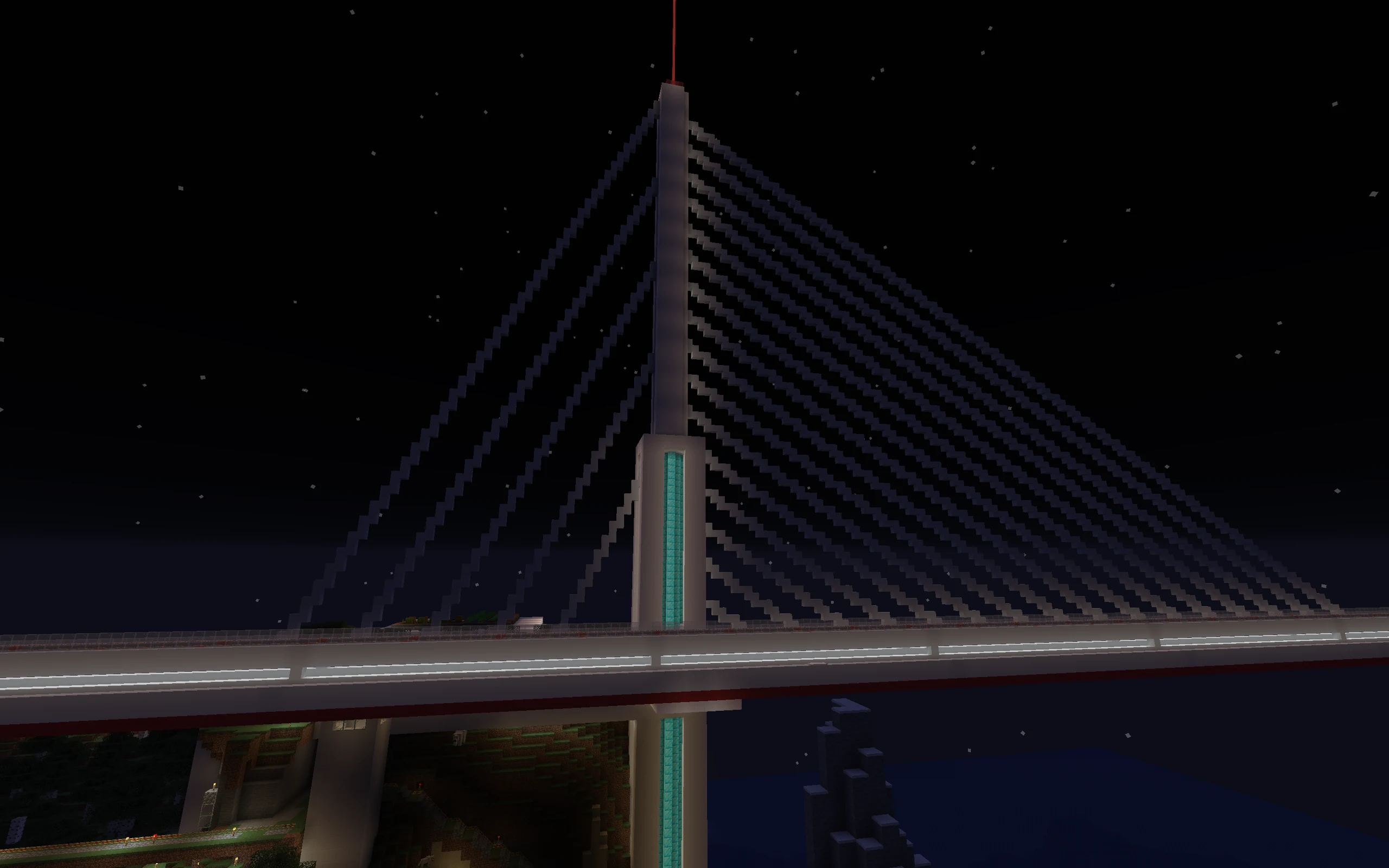
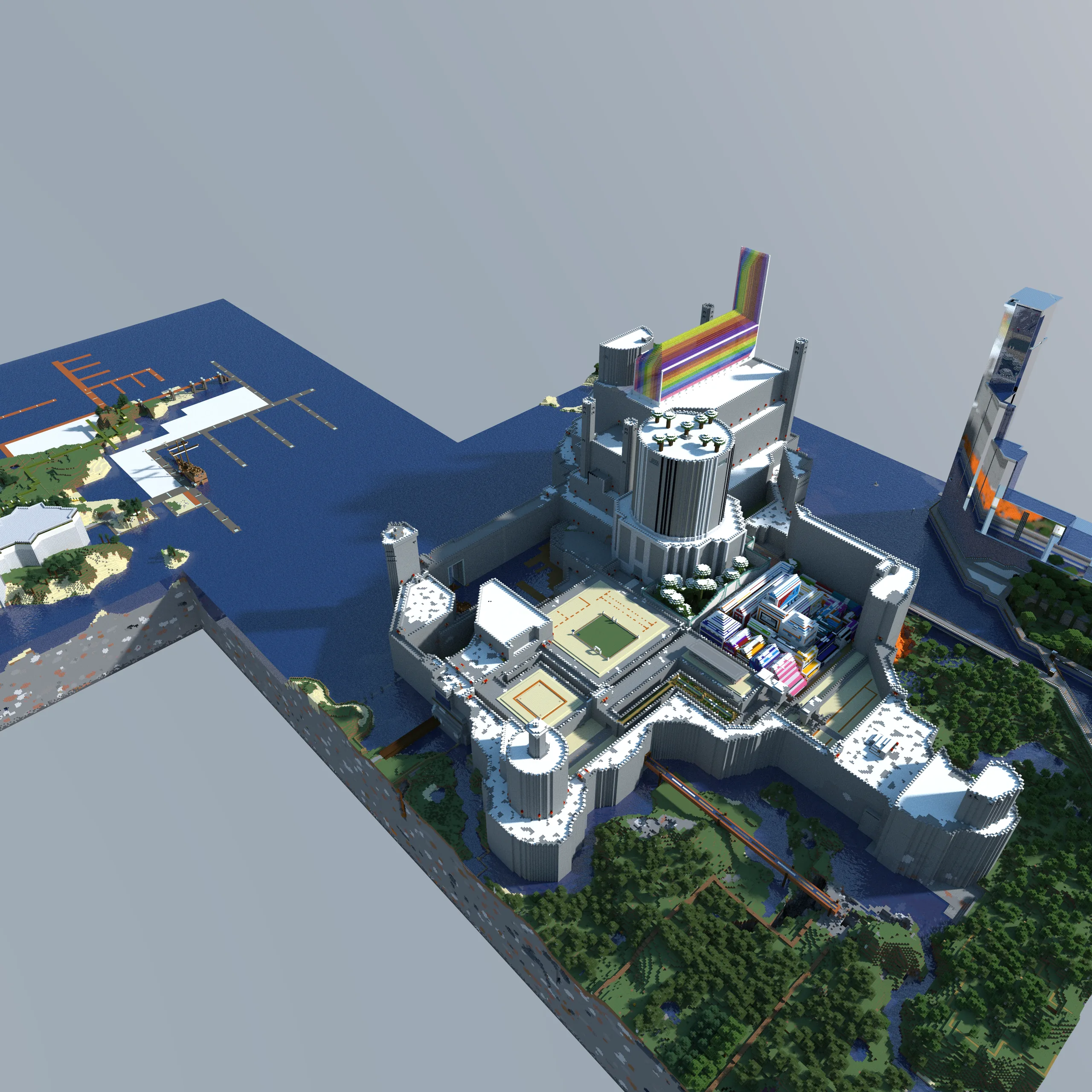
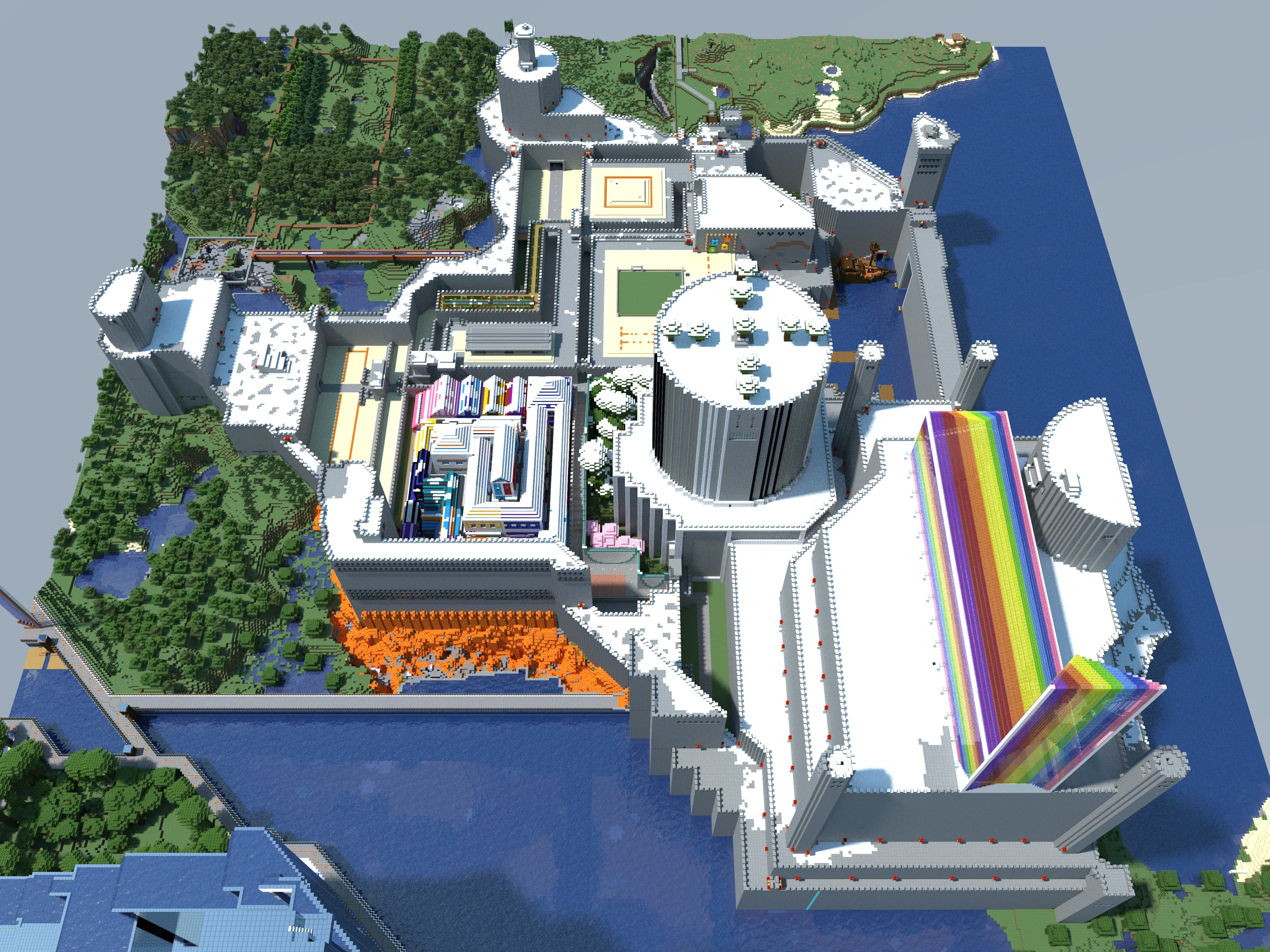
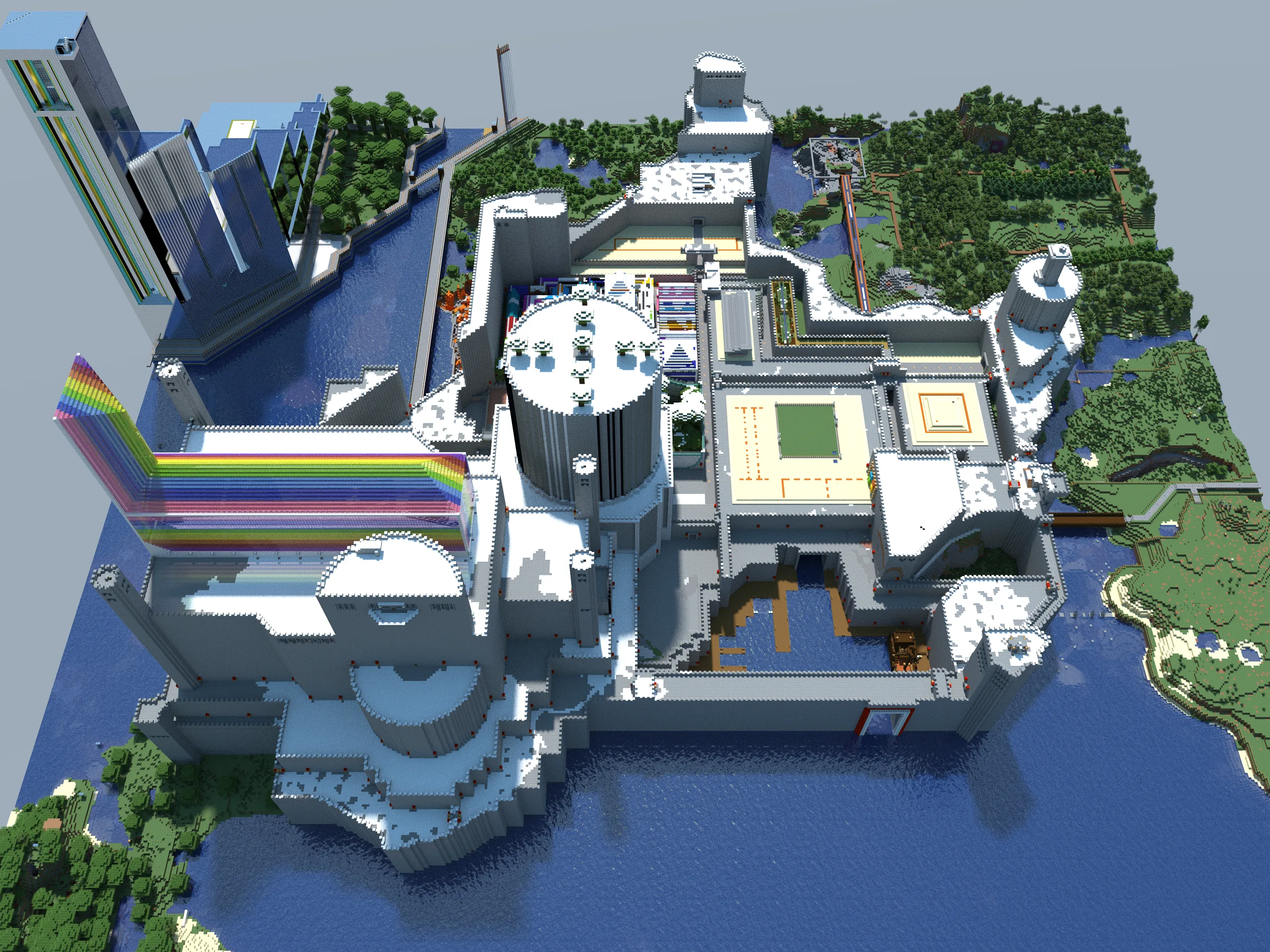
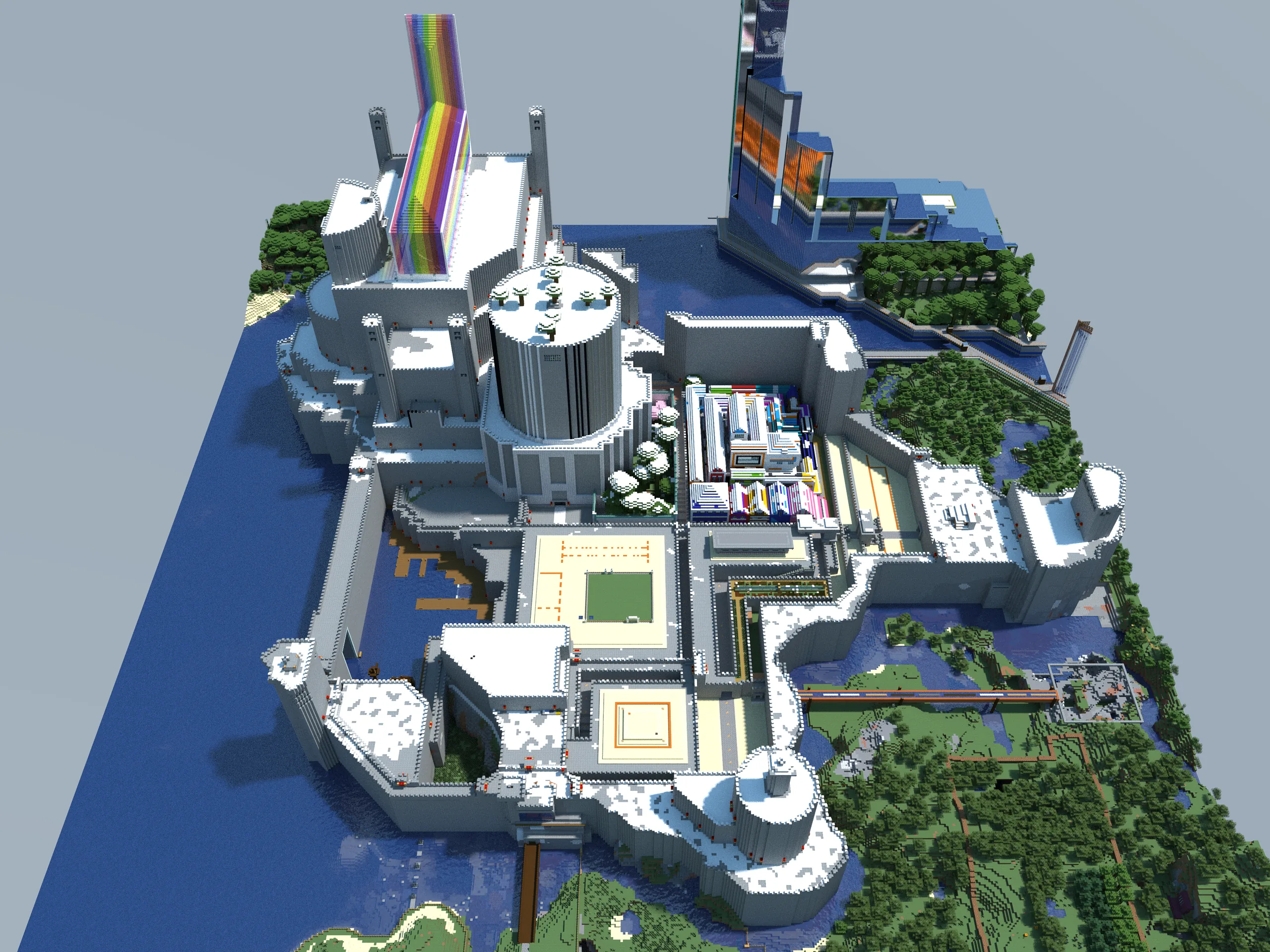
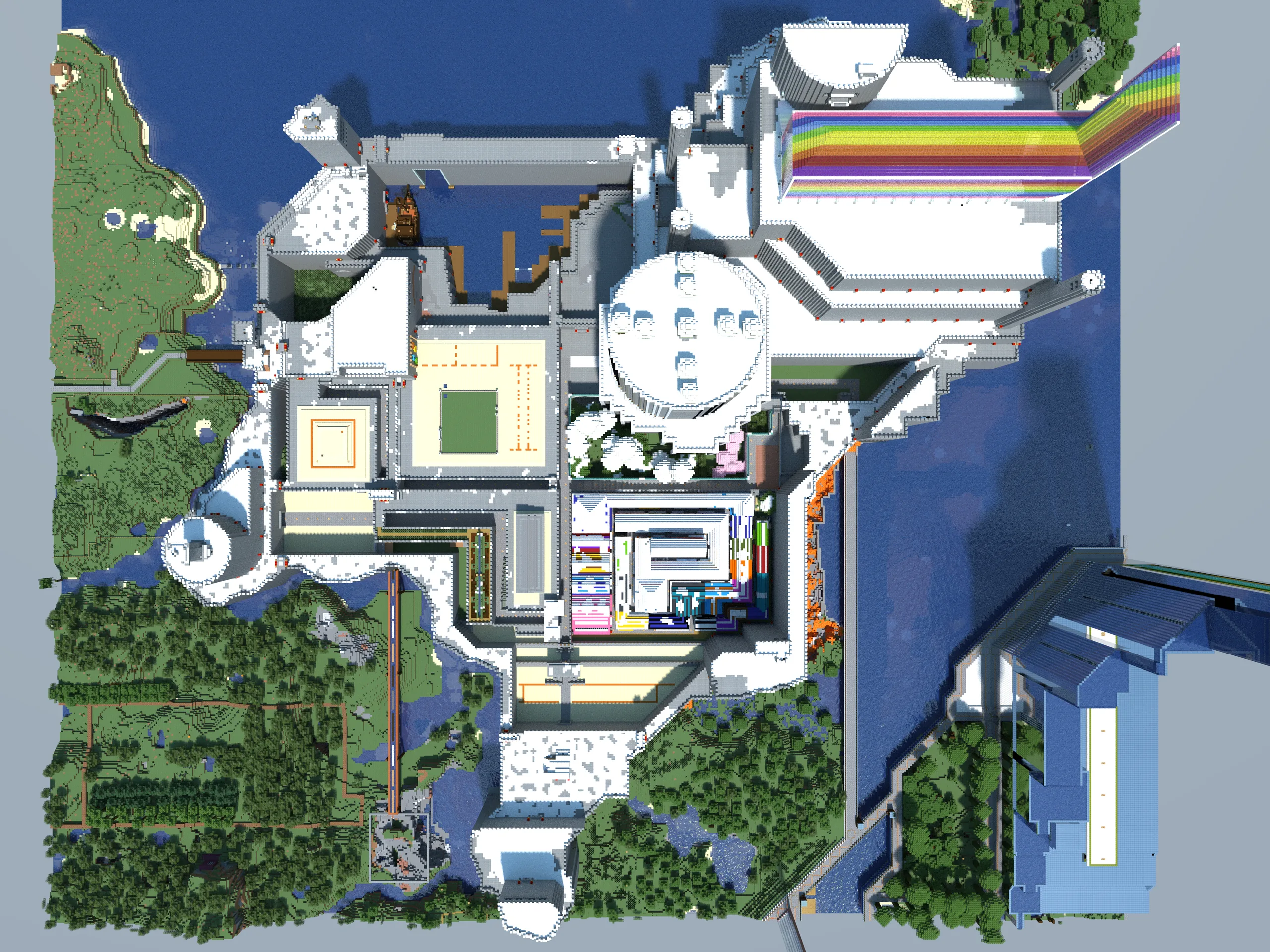
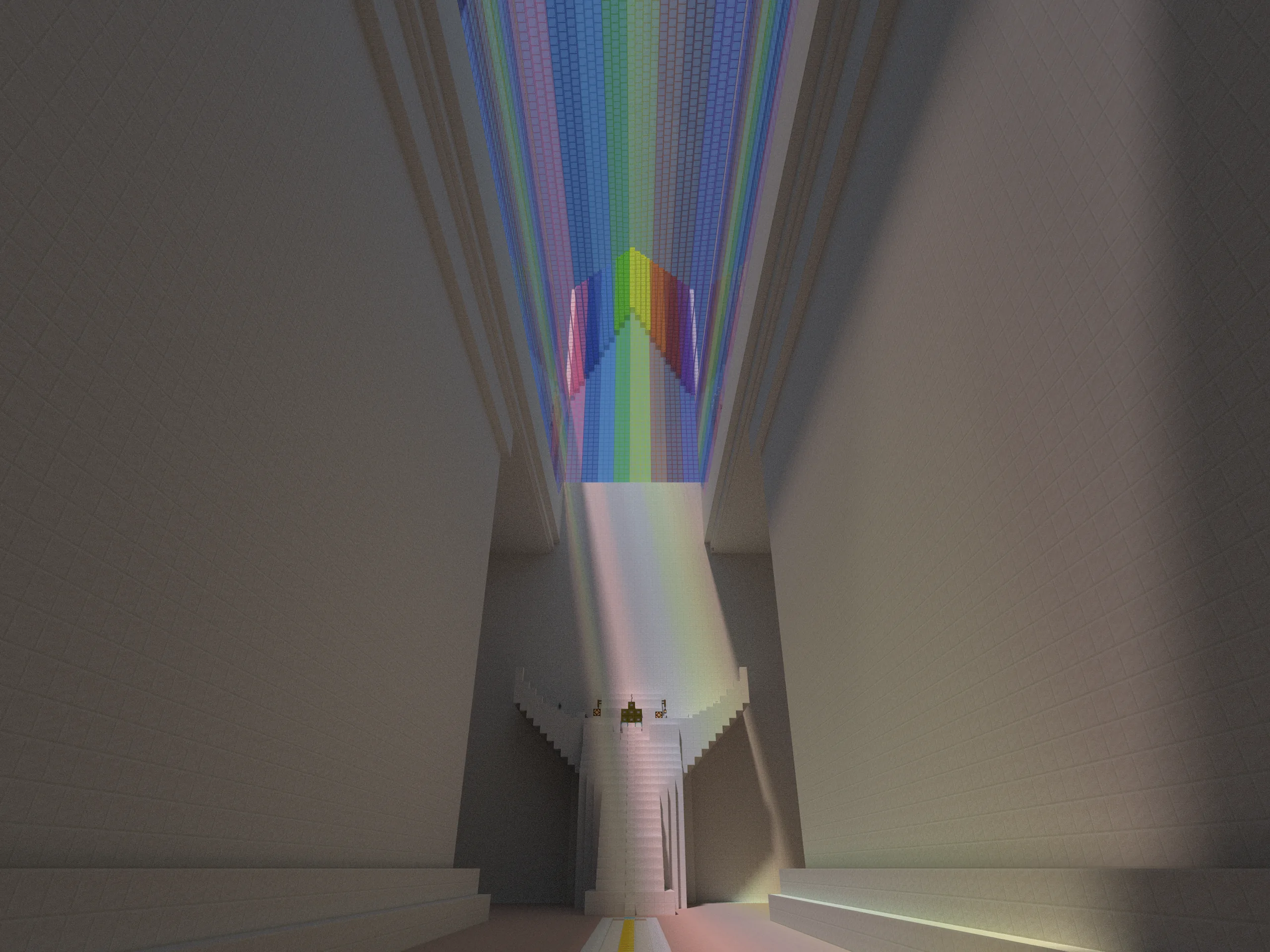
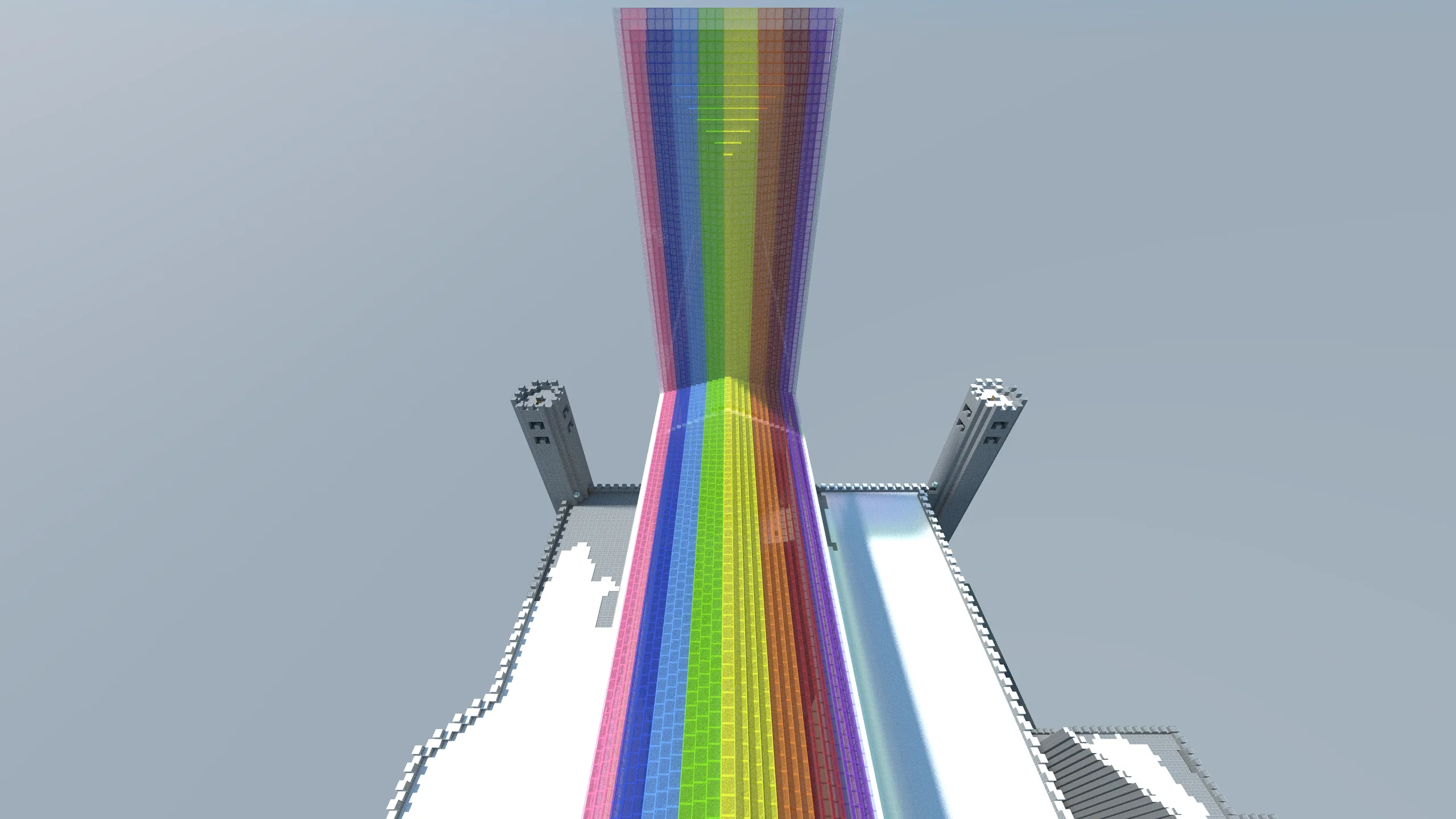
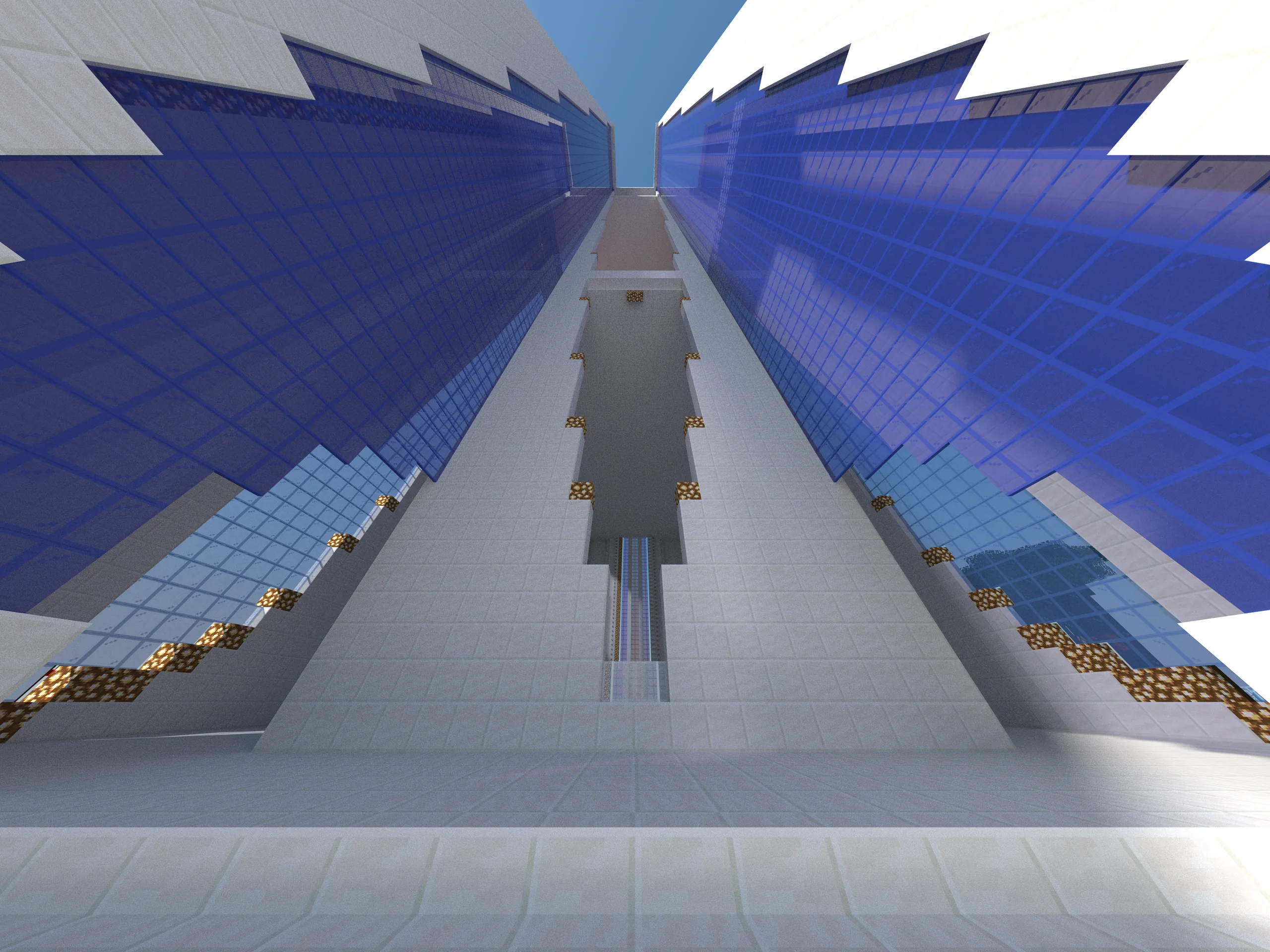
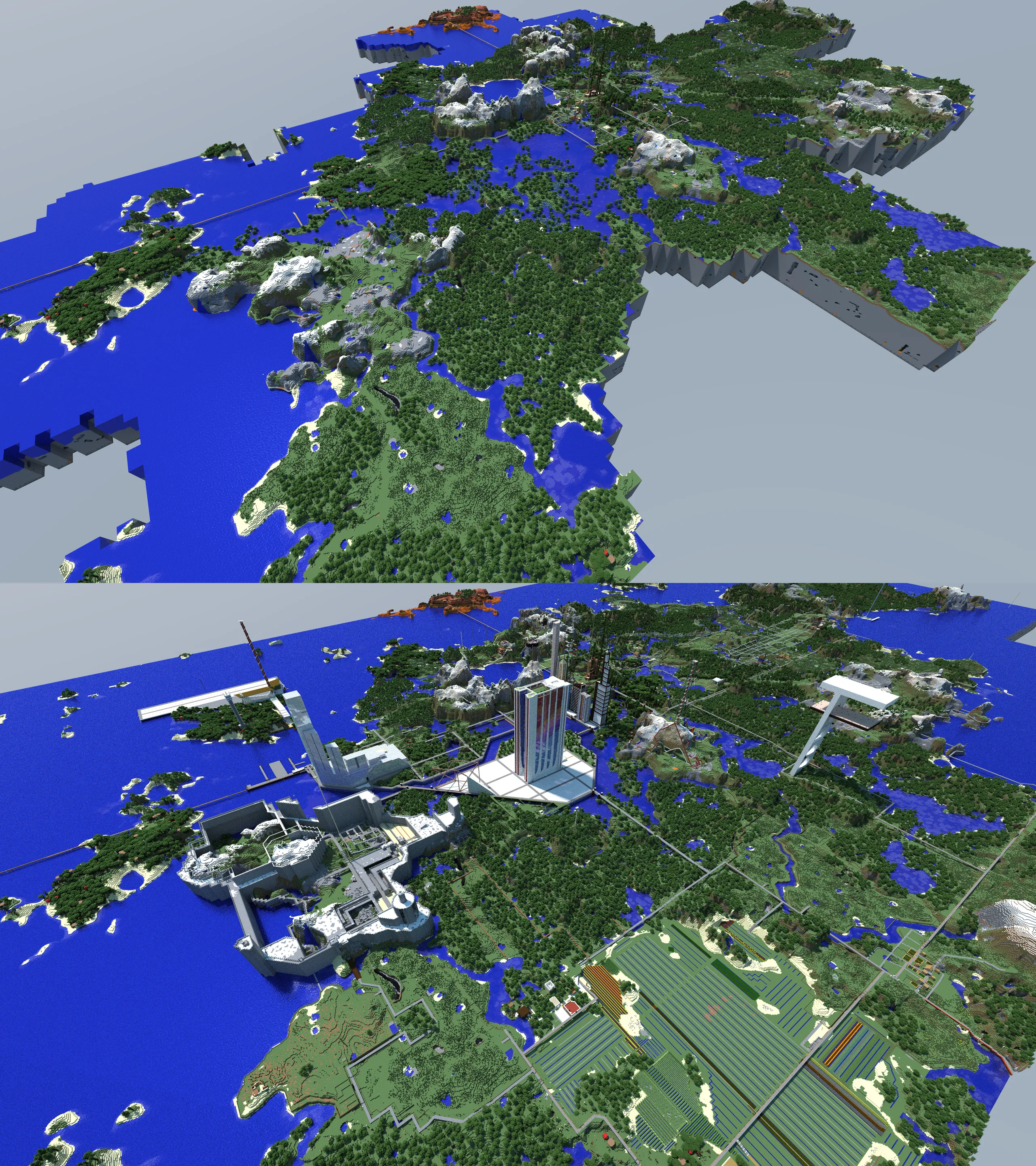
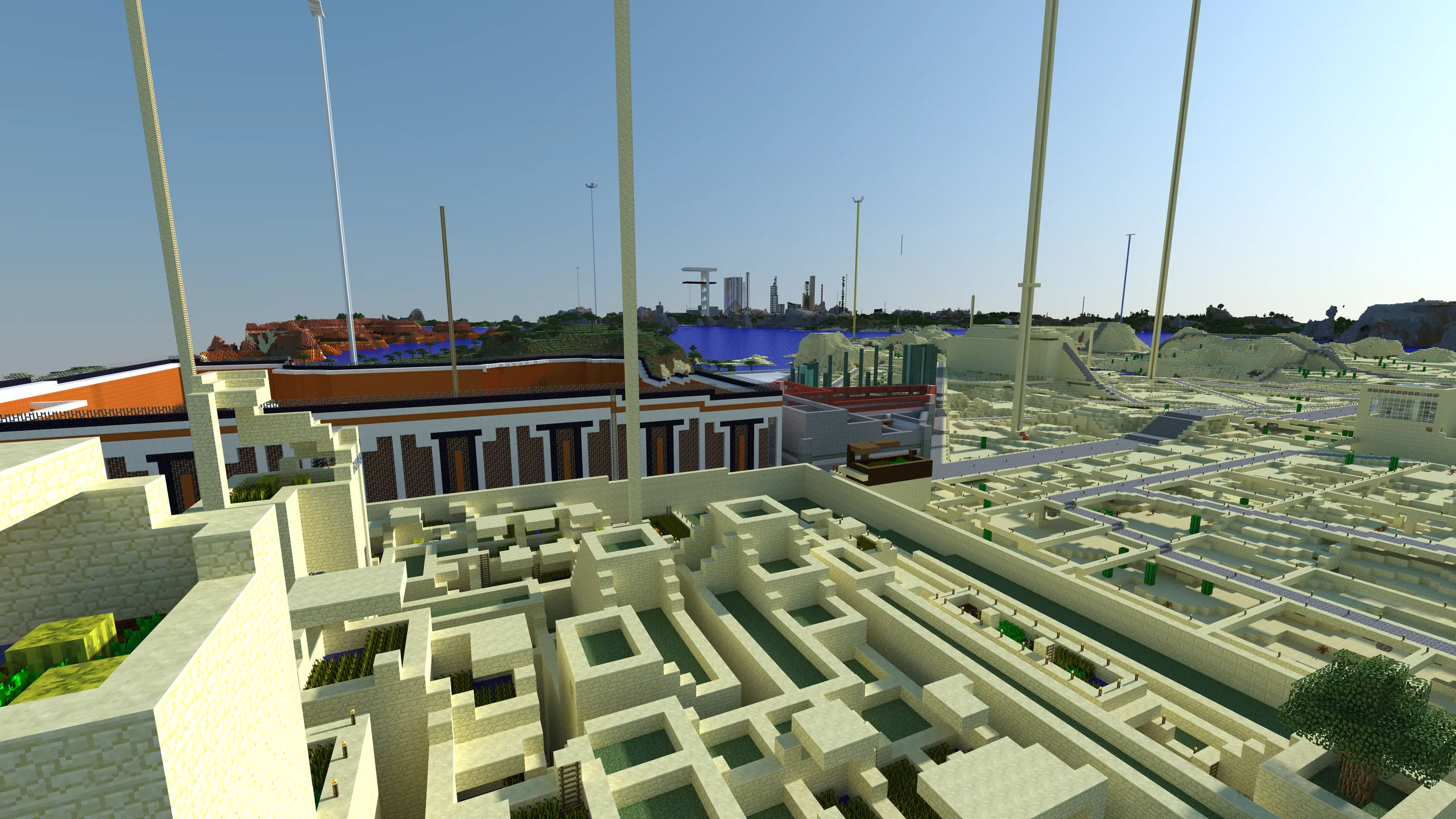
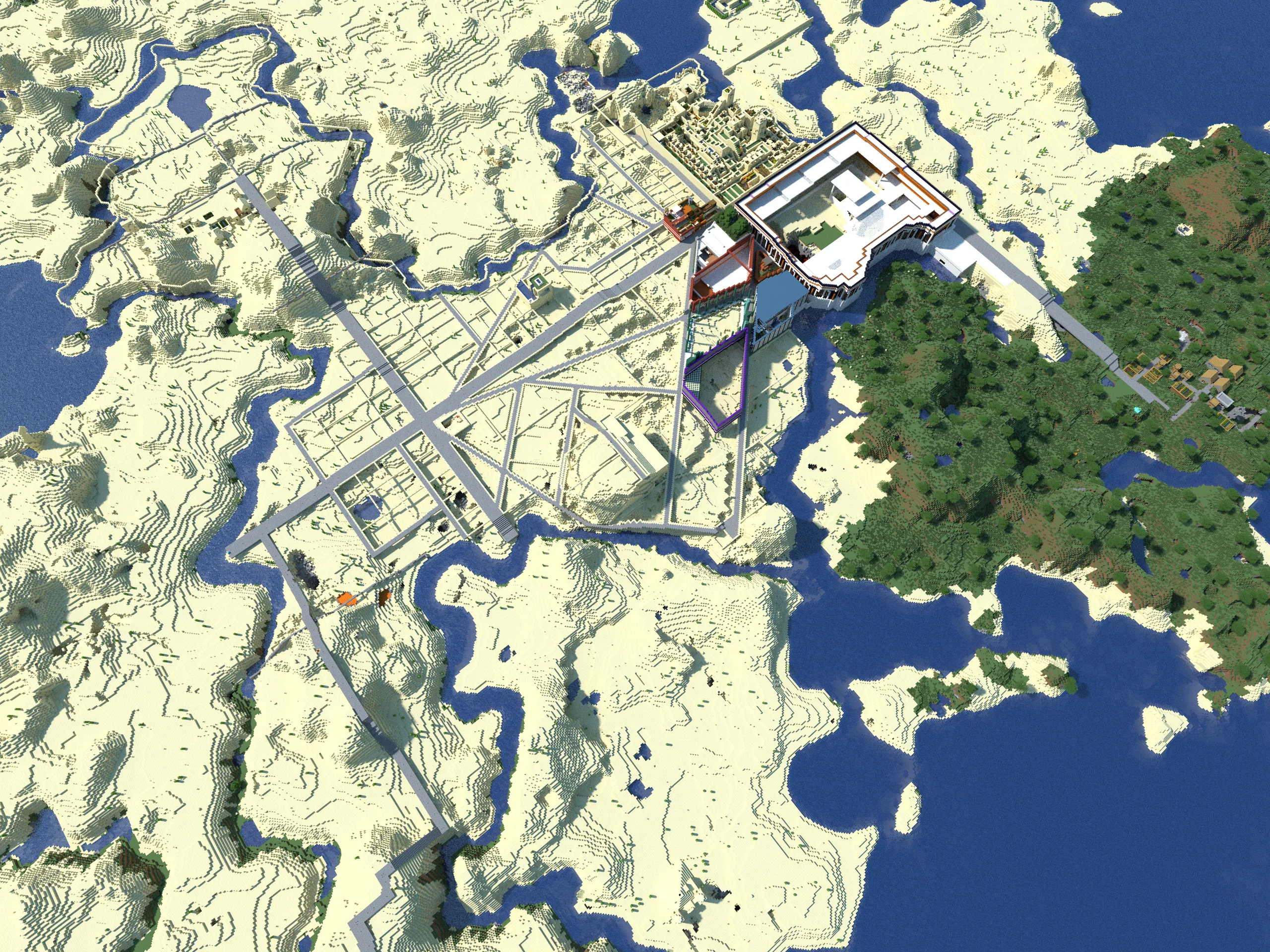
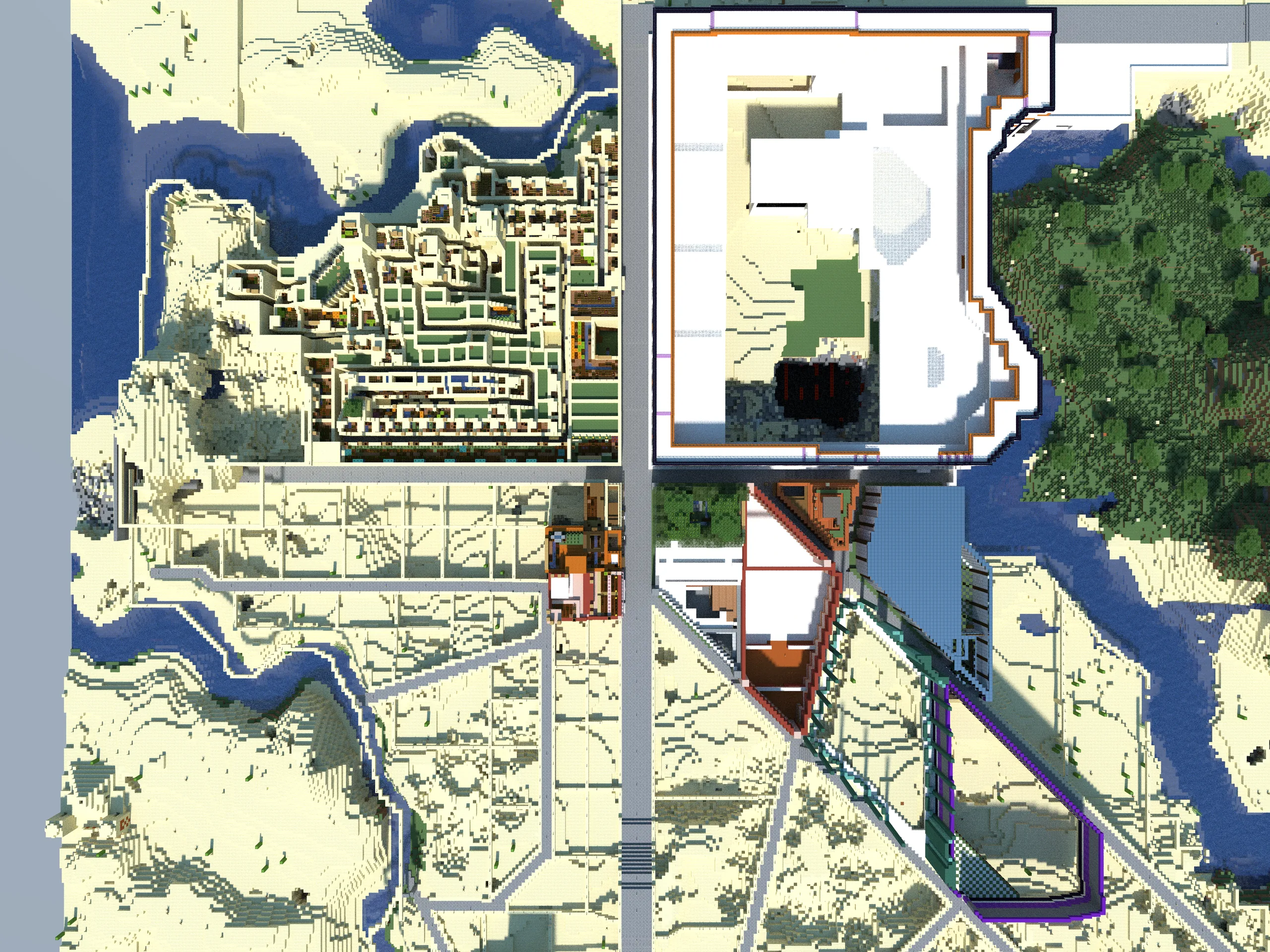
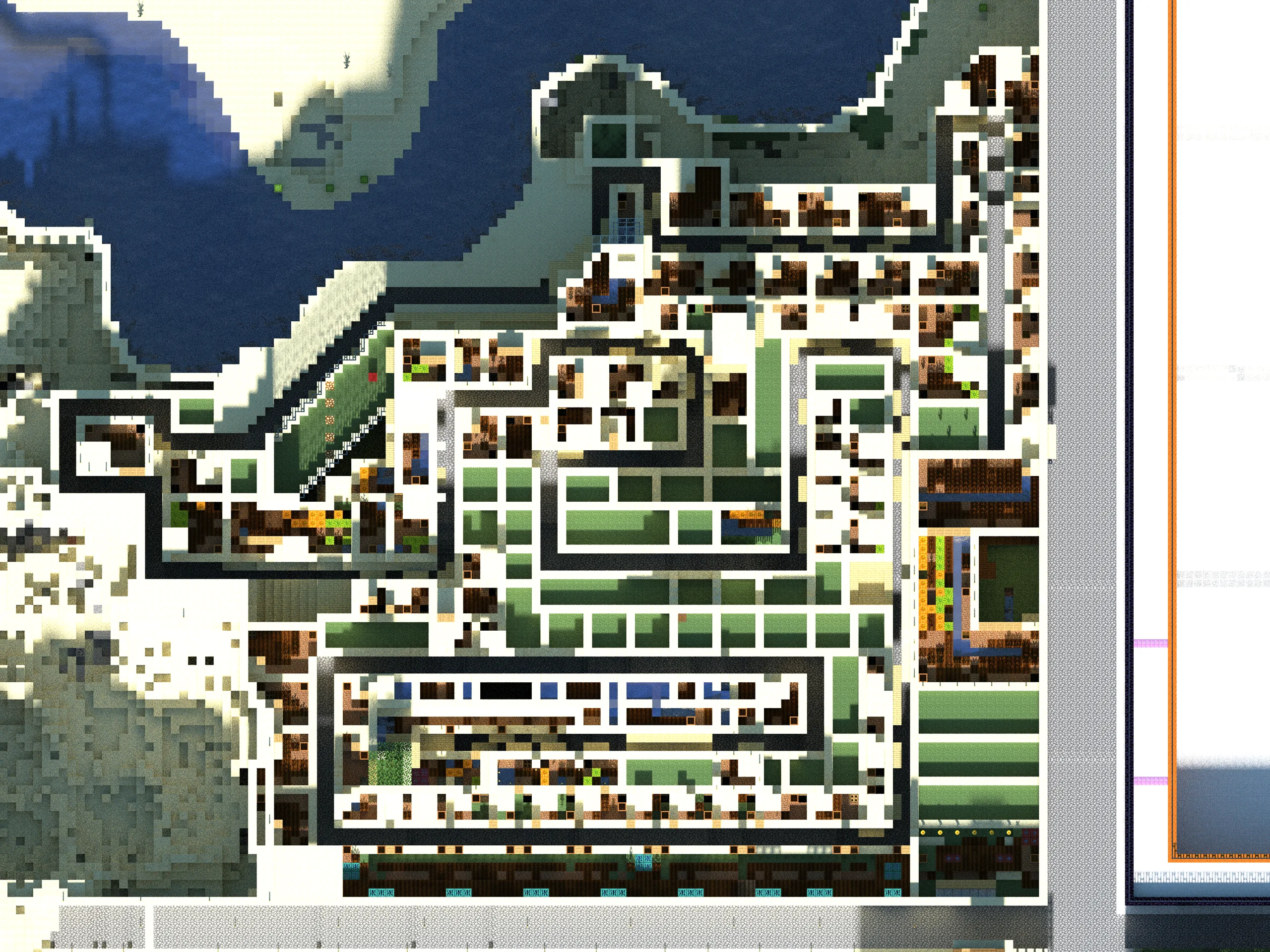
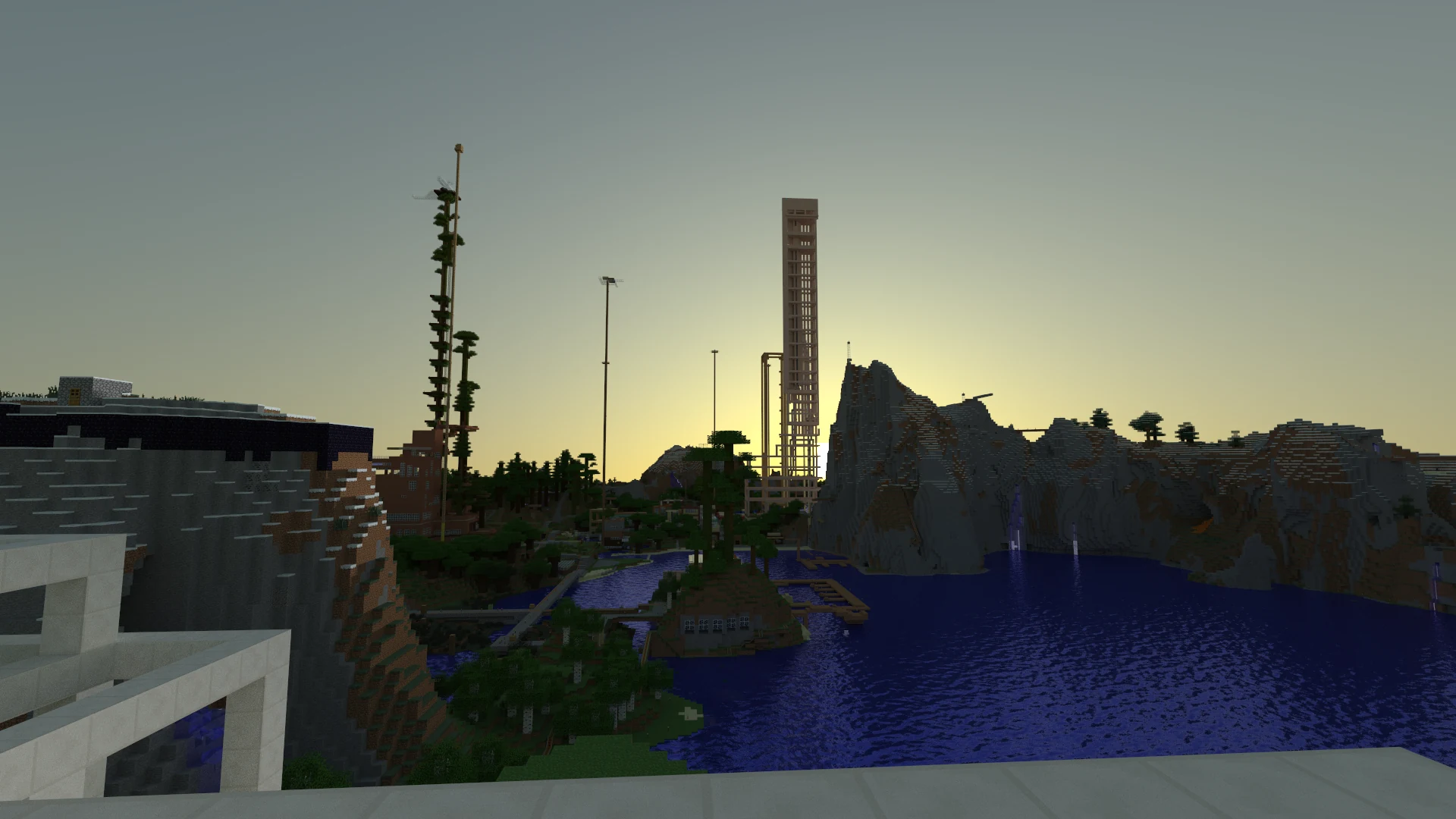
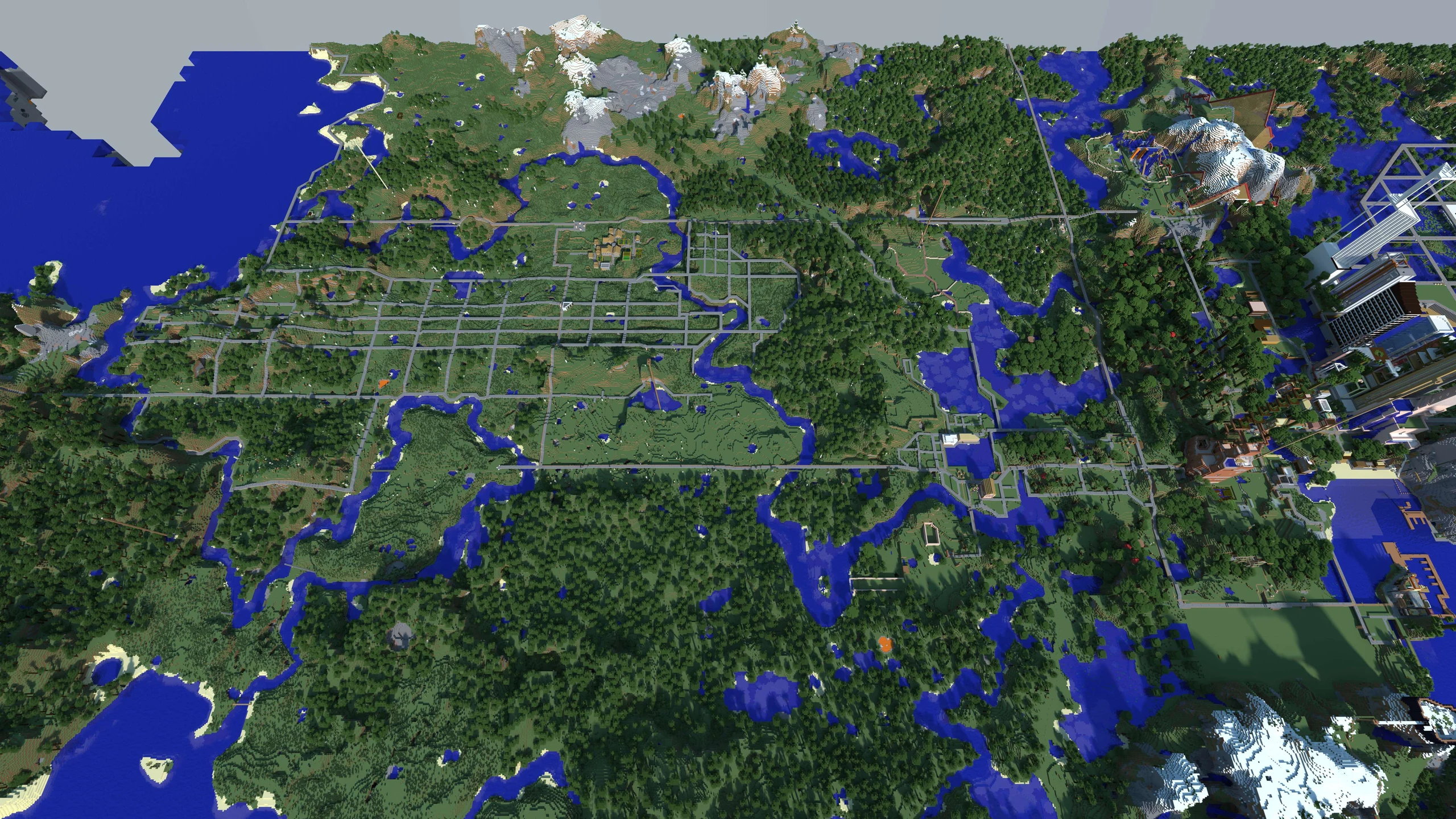
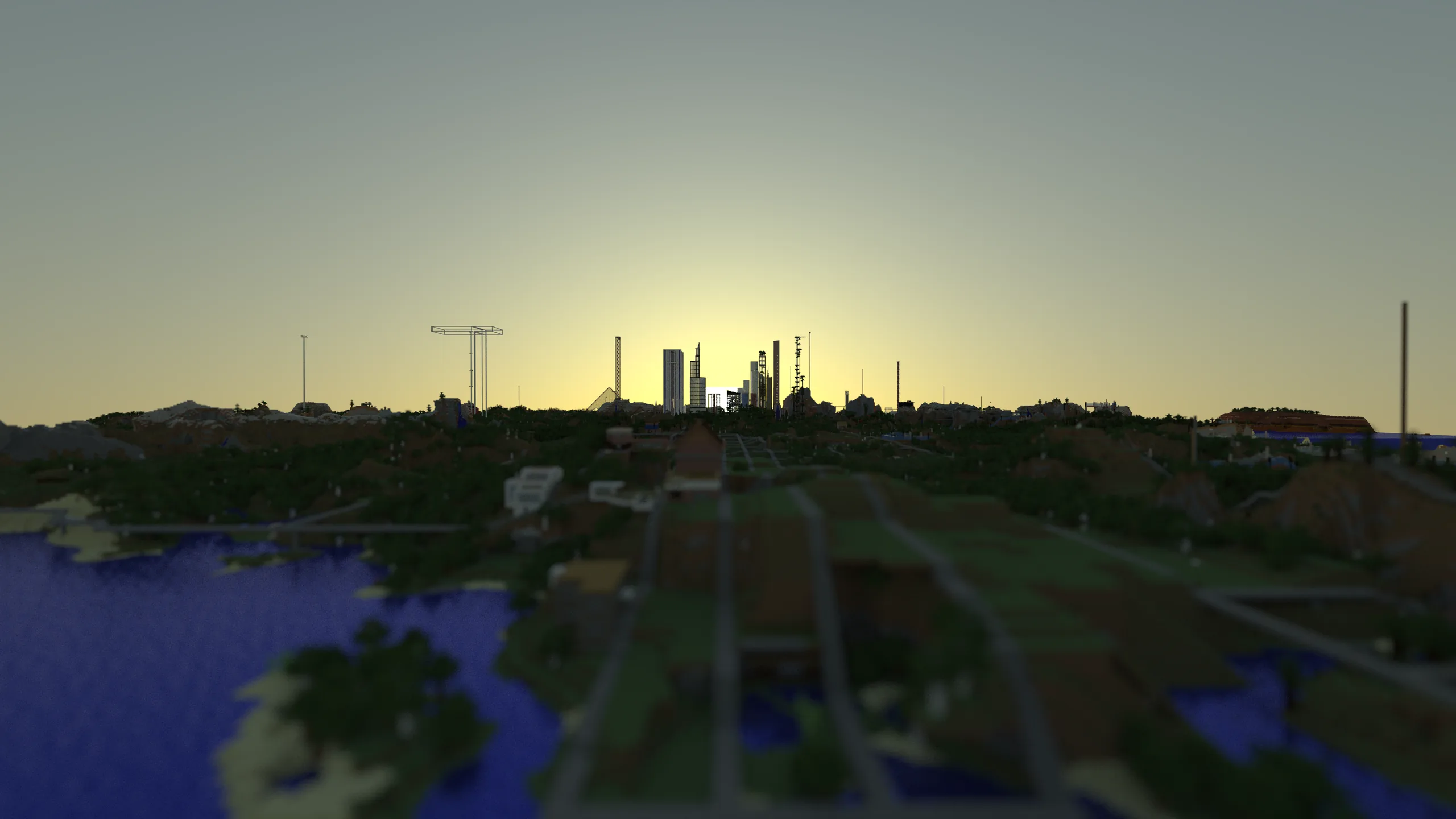
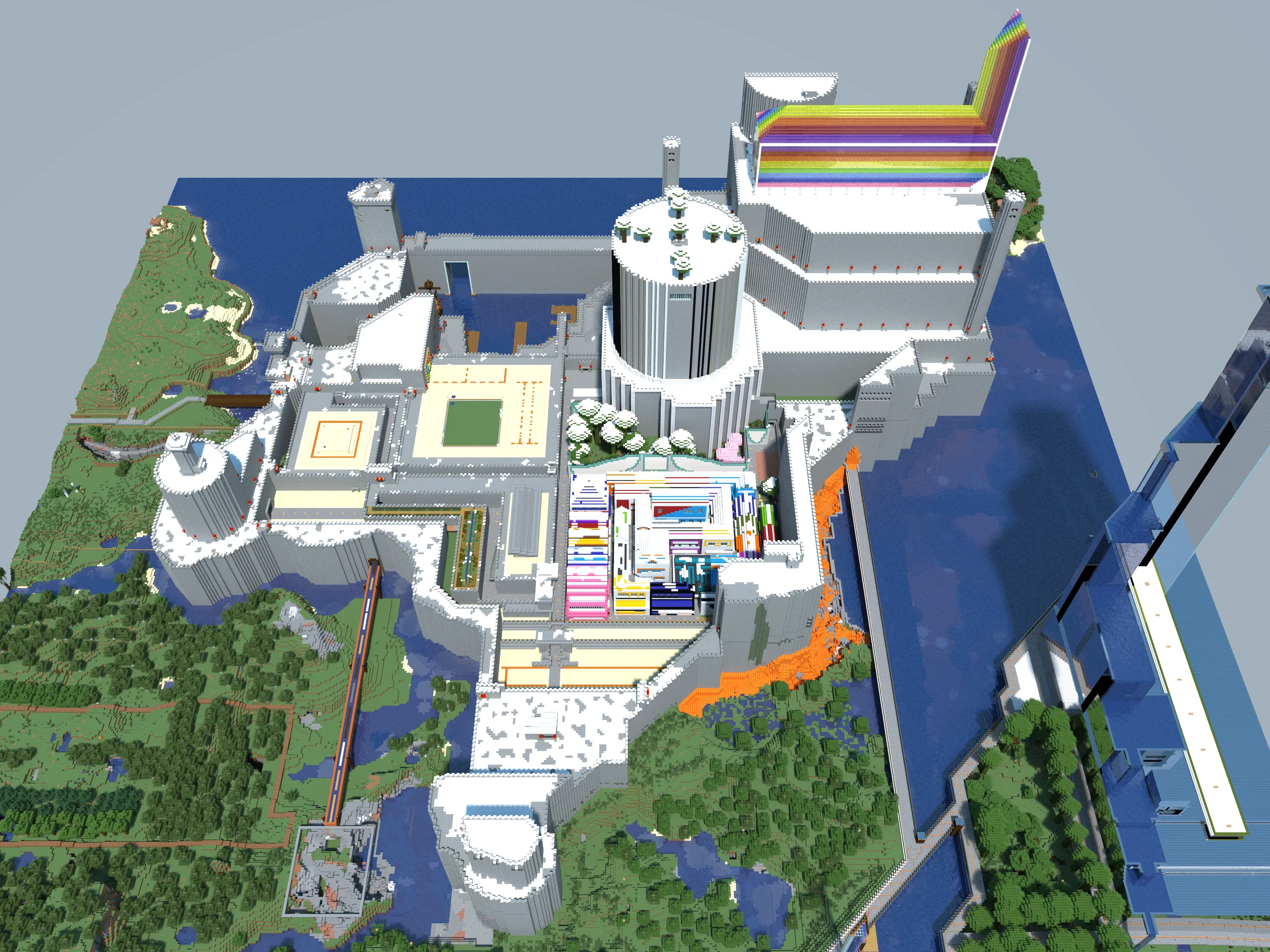
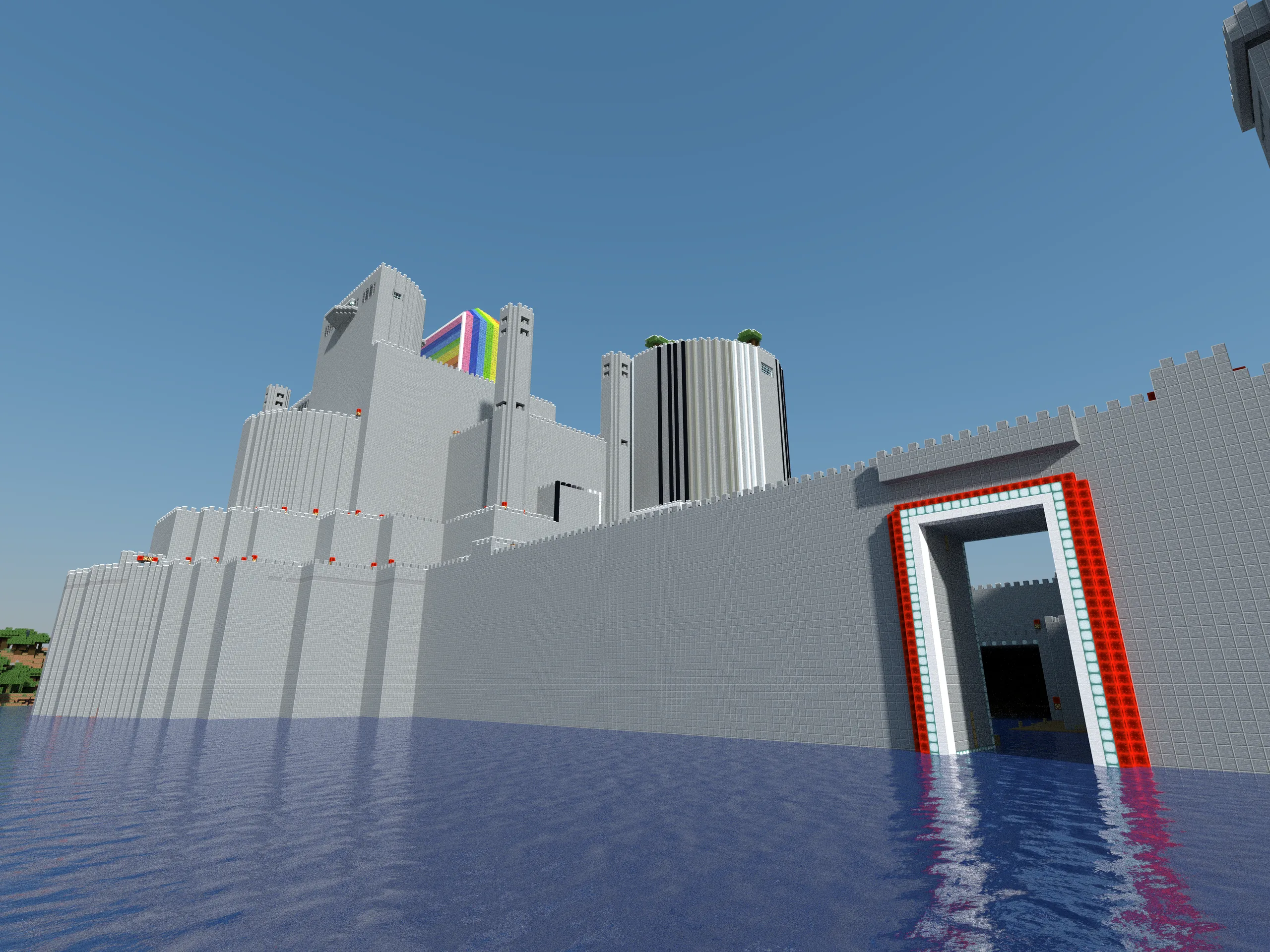
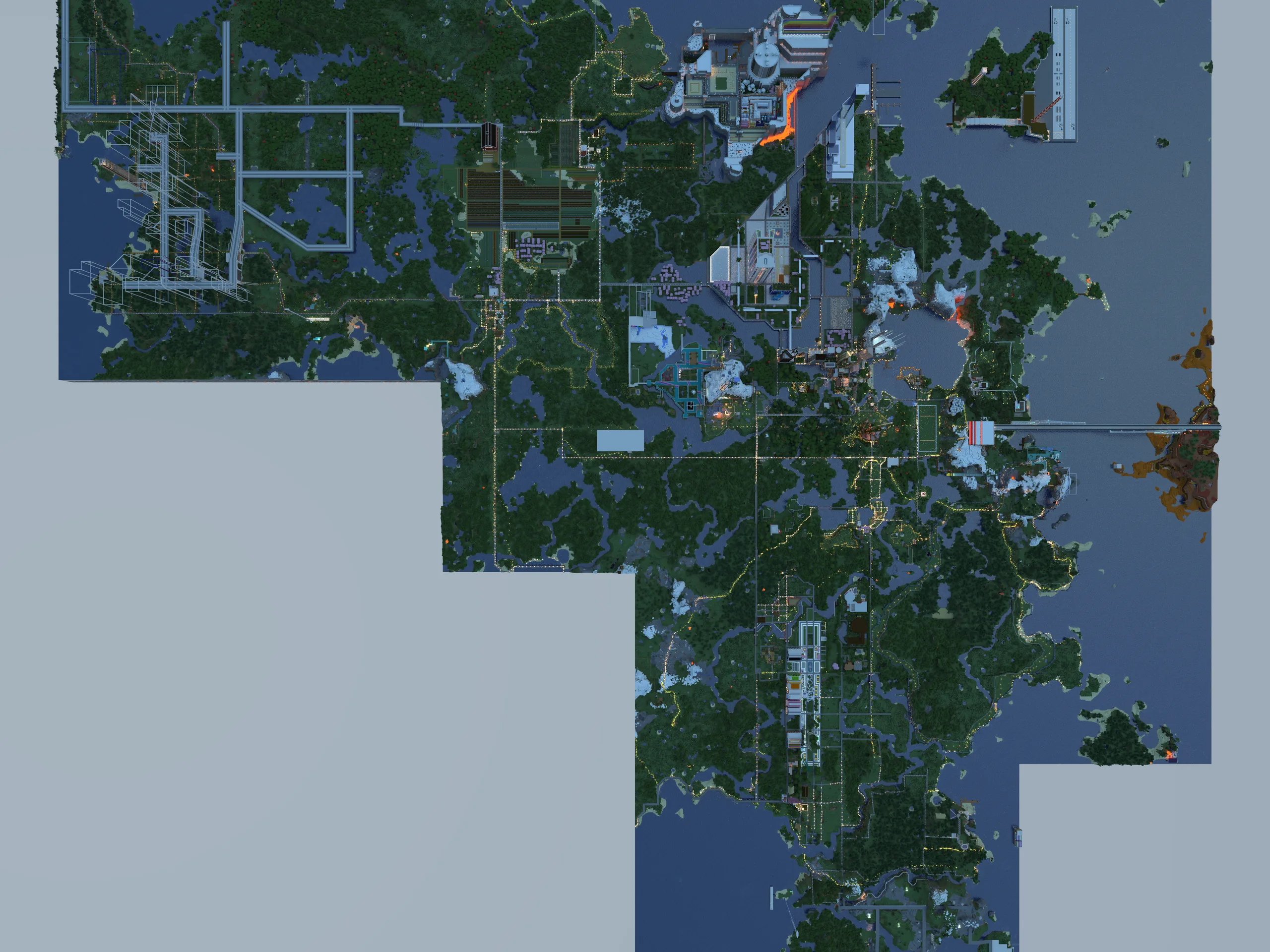
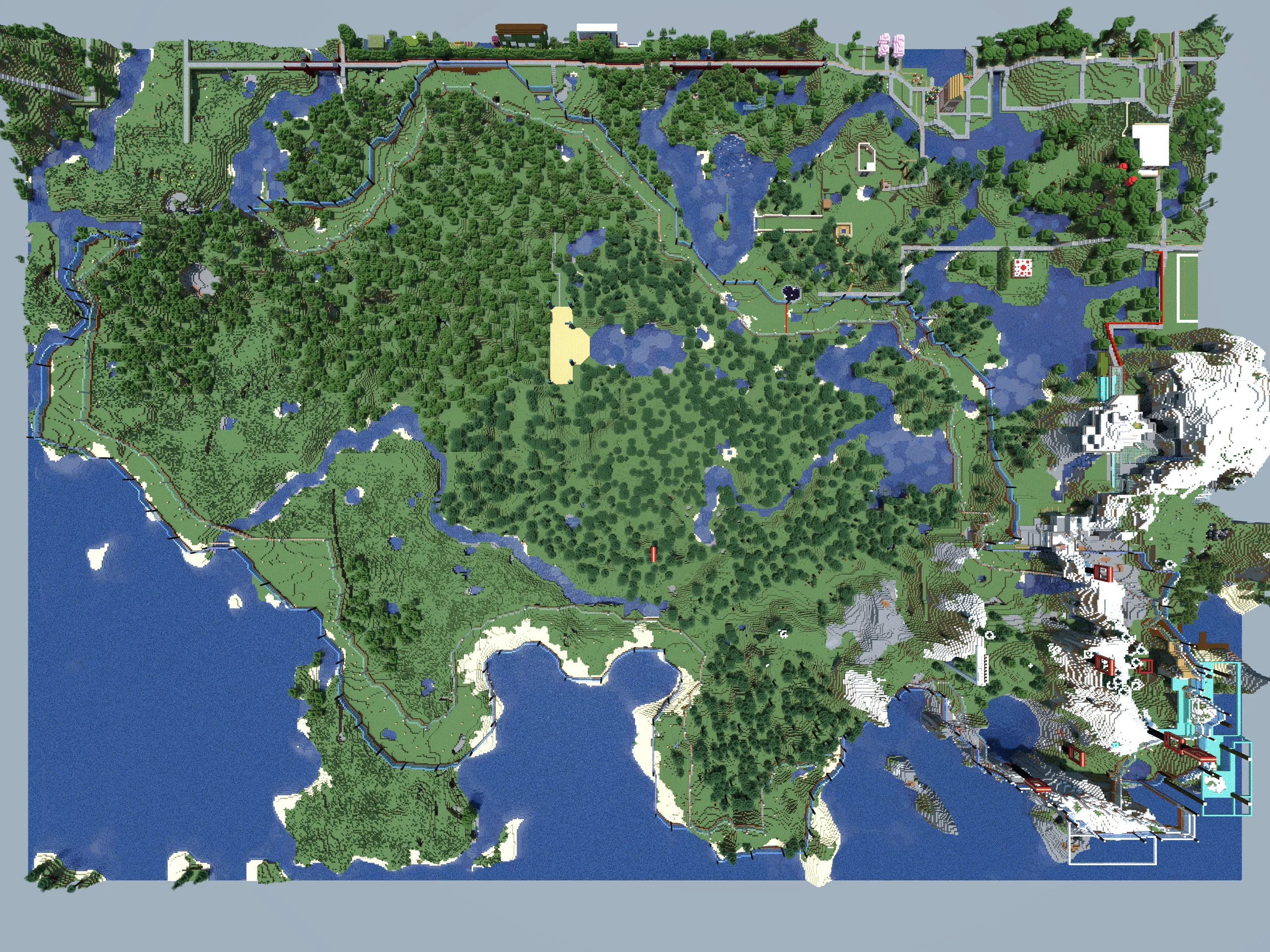
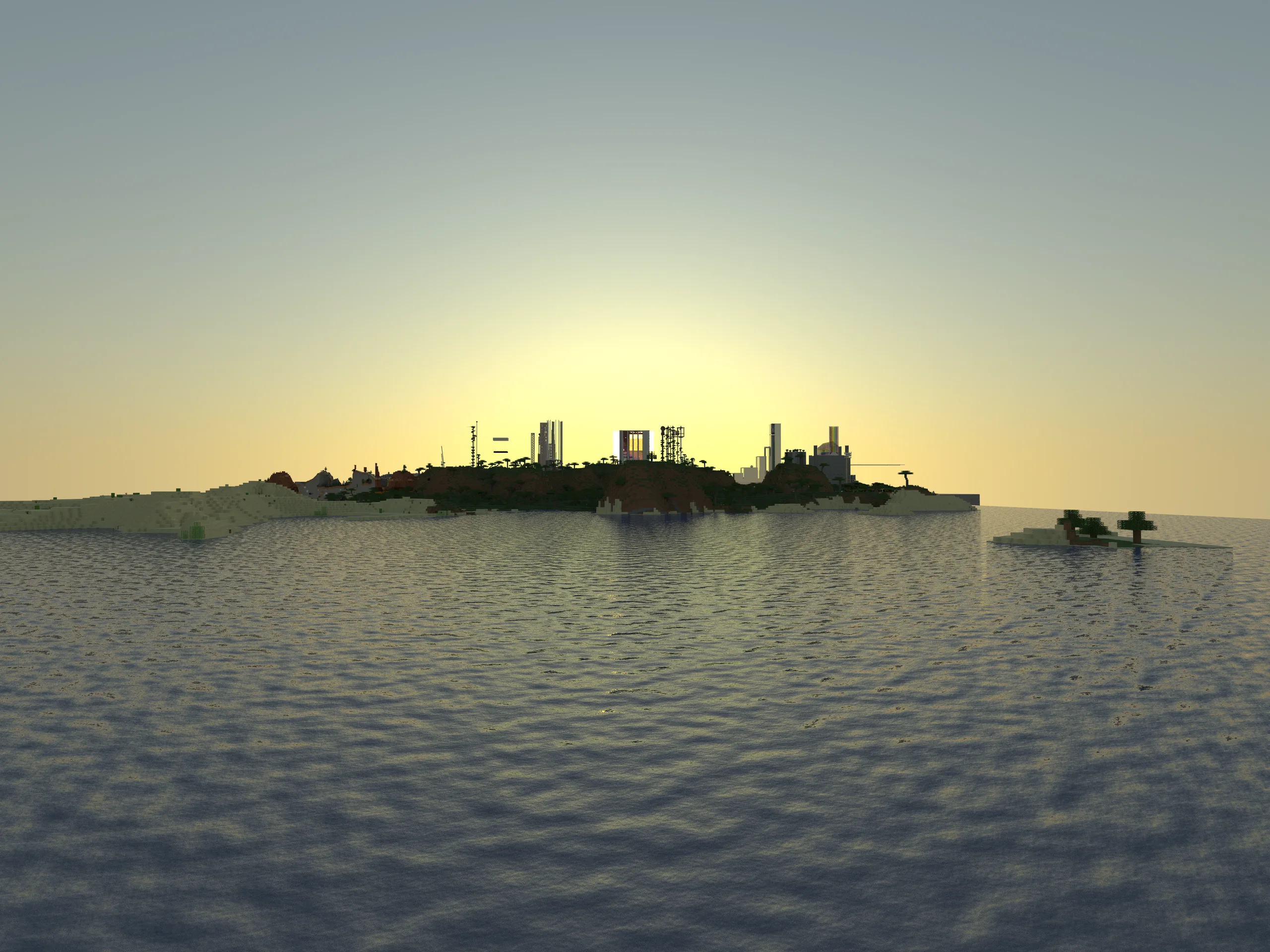
Loop MMT — Multi-Module Theory — does not begin with a document or a line of code. It begins with a place called Bohemian Grove — a Minecraft world the operator built and rebuilt for roughly ten years. The earliest surviving plan of it is dated February 2016: a top-down city-use map with zoned districts, a university, an airport, a fishing village, and parcels marked Future Development. It was not a build project. It was somewhere he wanted to be.
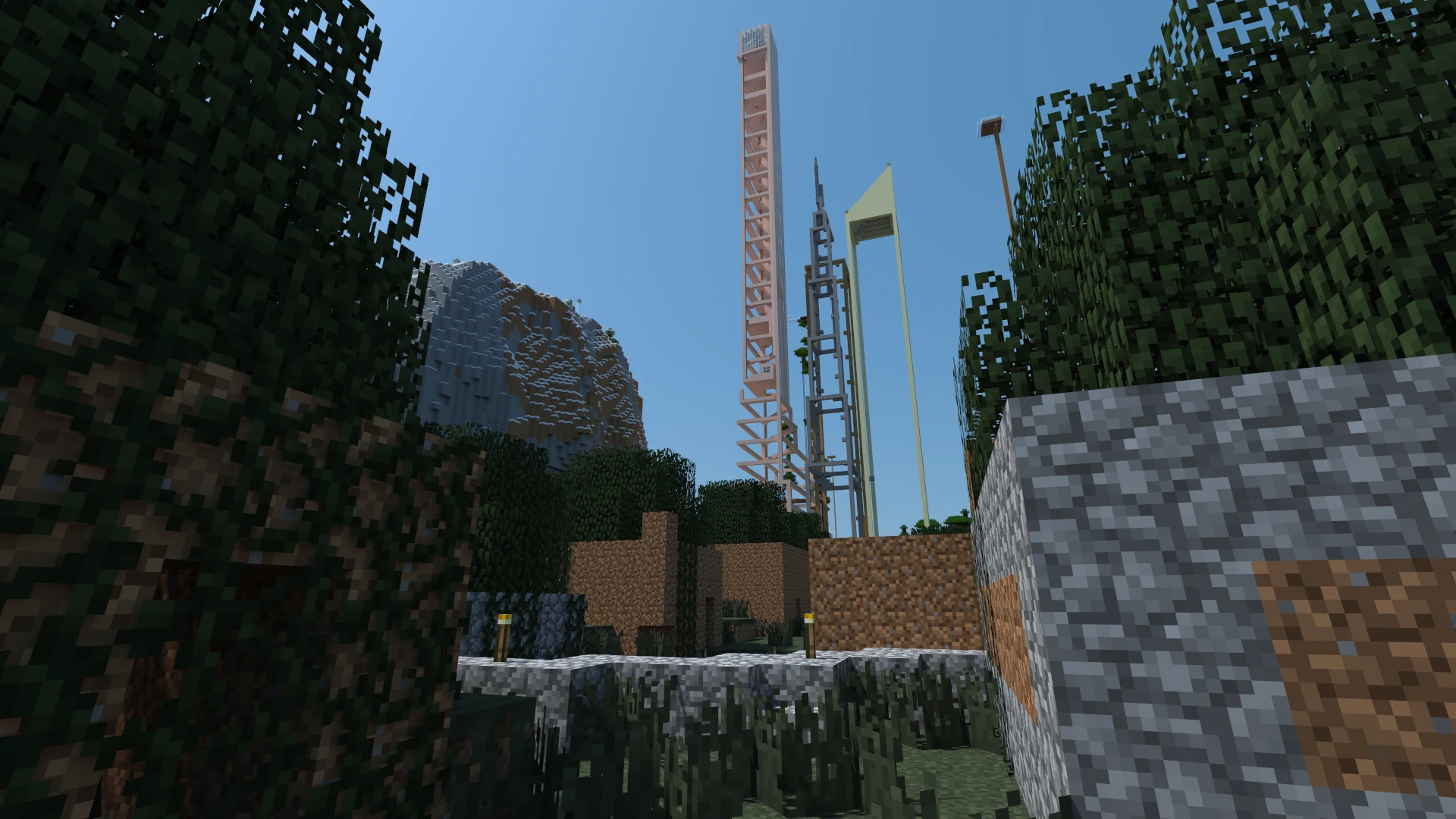
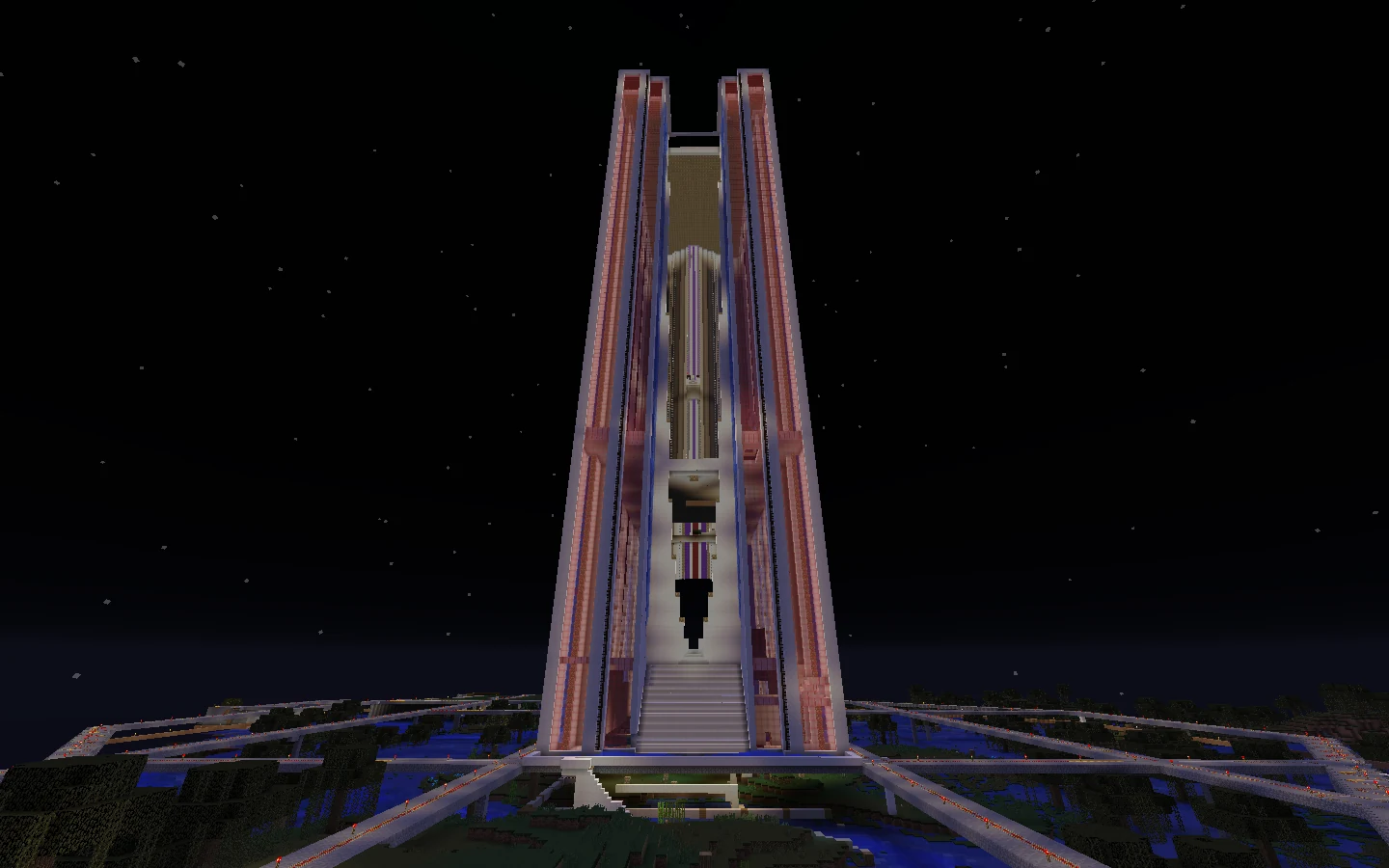
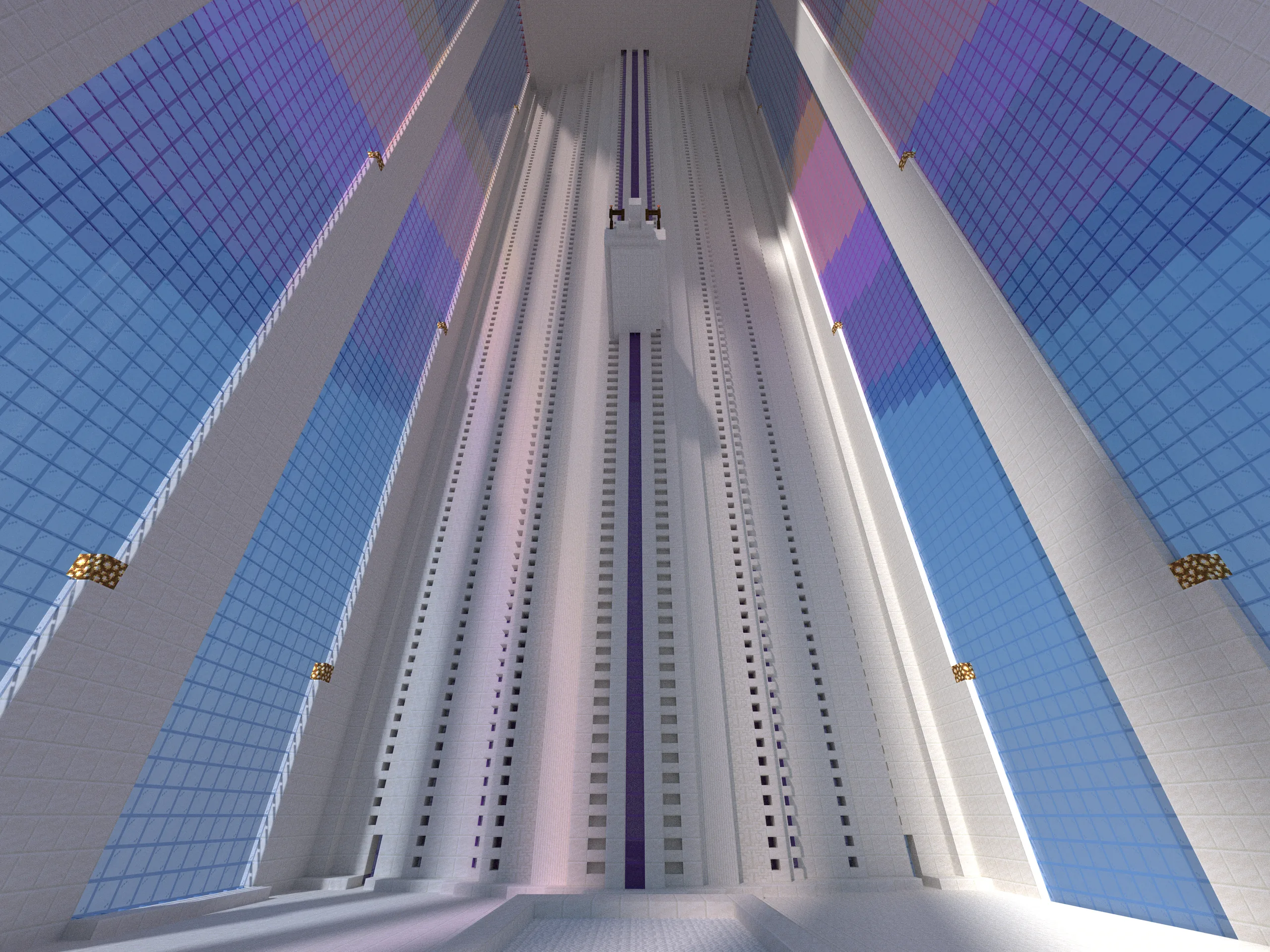
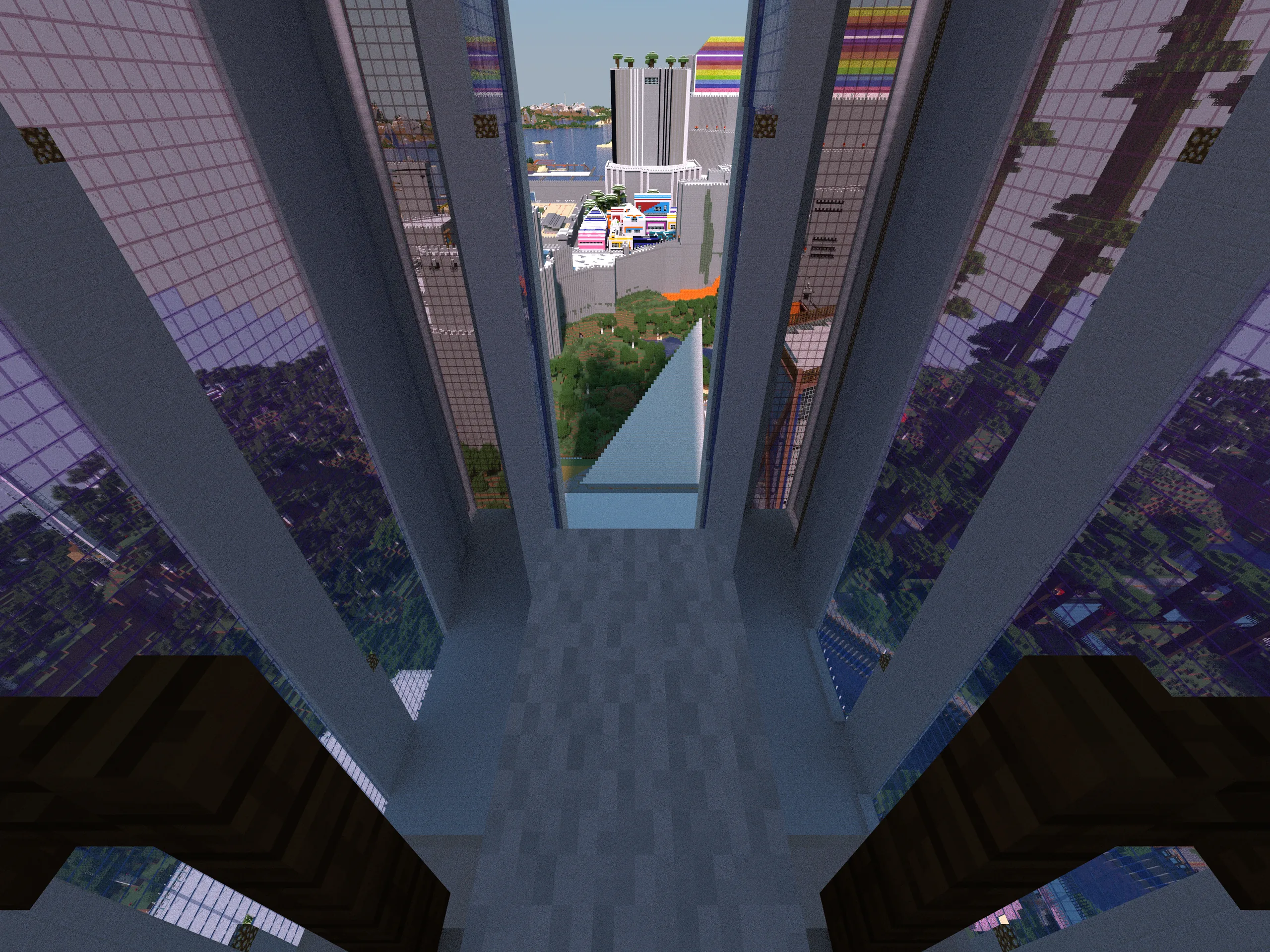
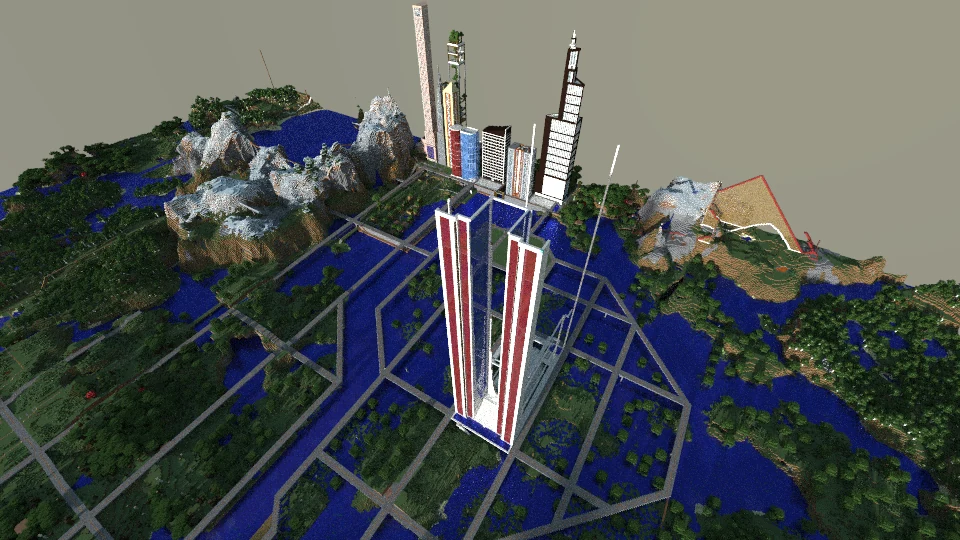
The world carries family in its terrain. Two of its ranches are named for his daughters. Its downtown grew a landmark — a tall tower faced with a red-through-purple gradient that reads as real architecture from across the map. A world that size is measured in years, not sessions, and it was lived in, not just constructed.
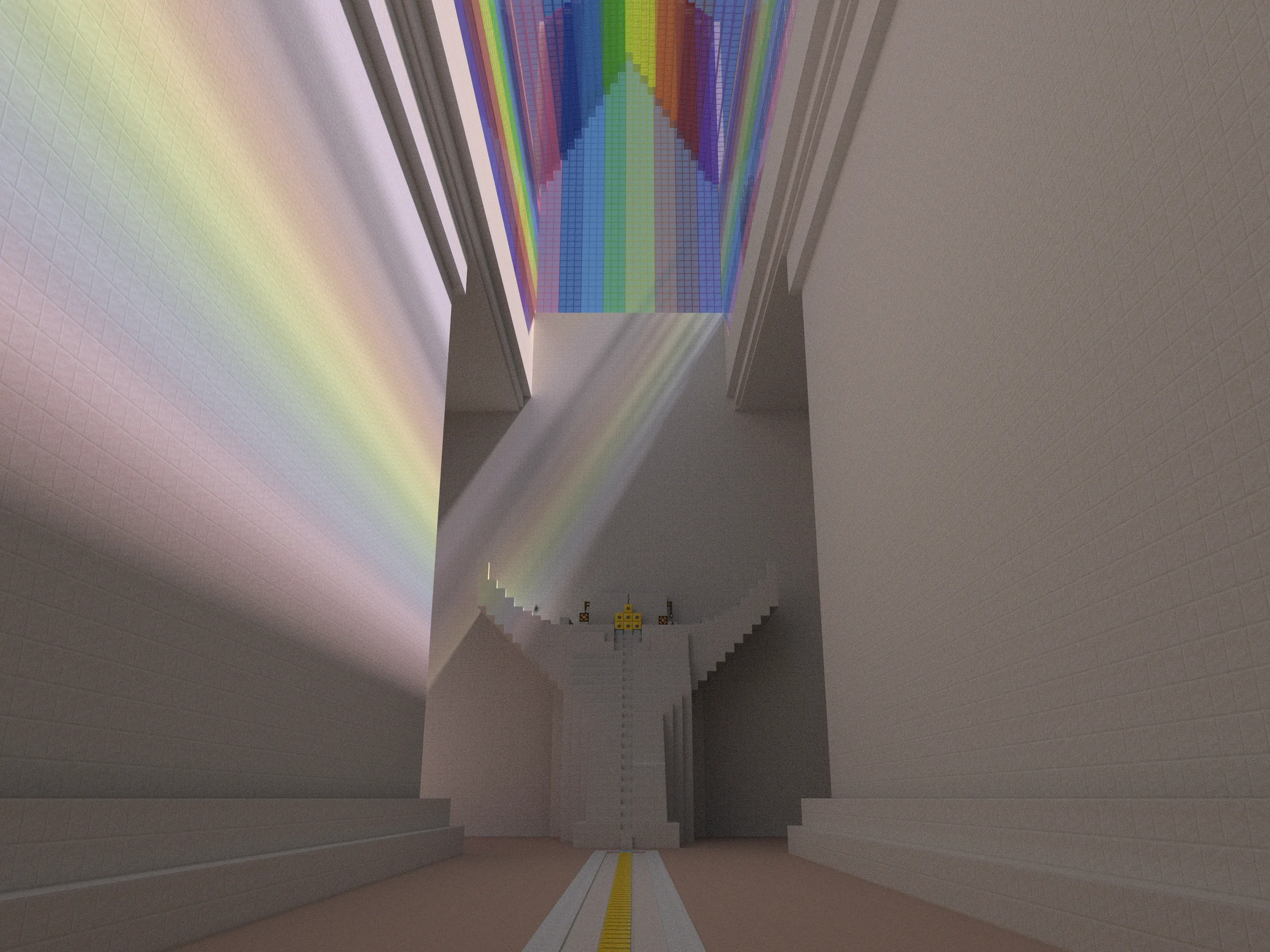
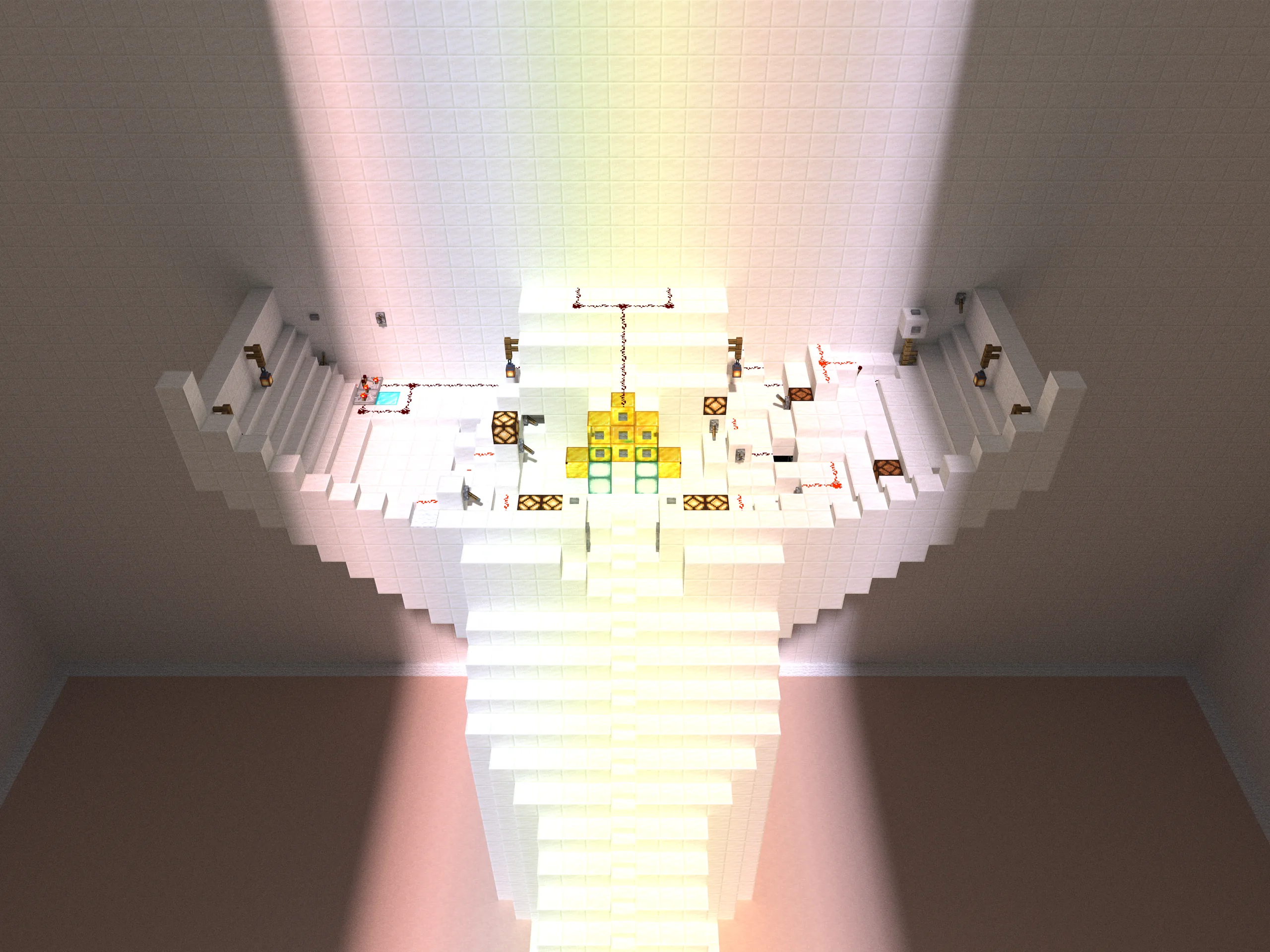
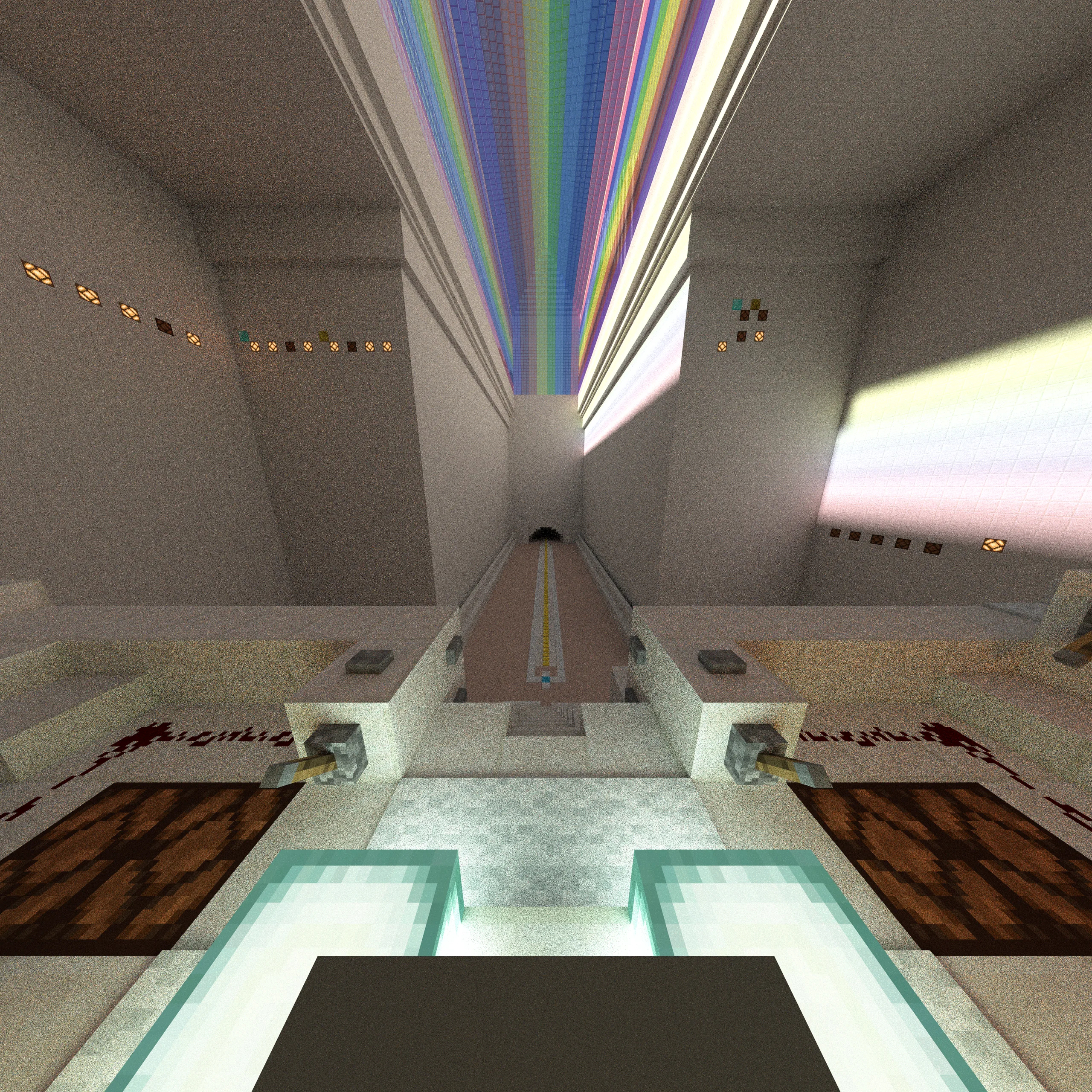
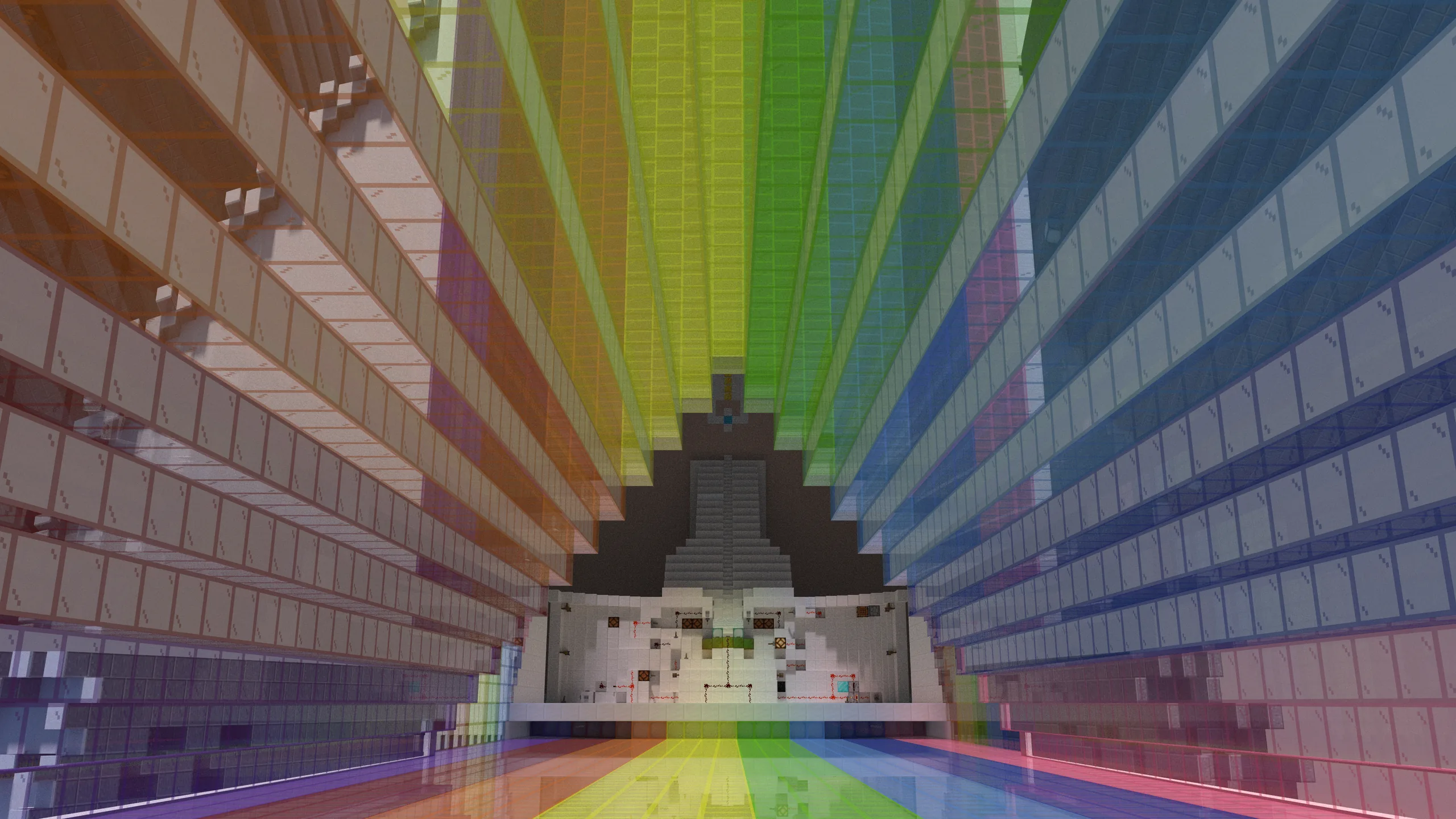
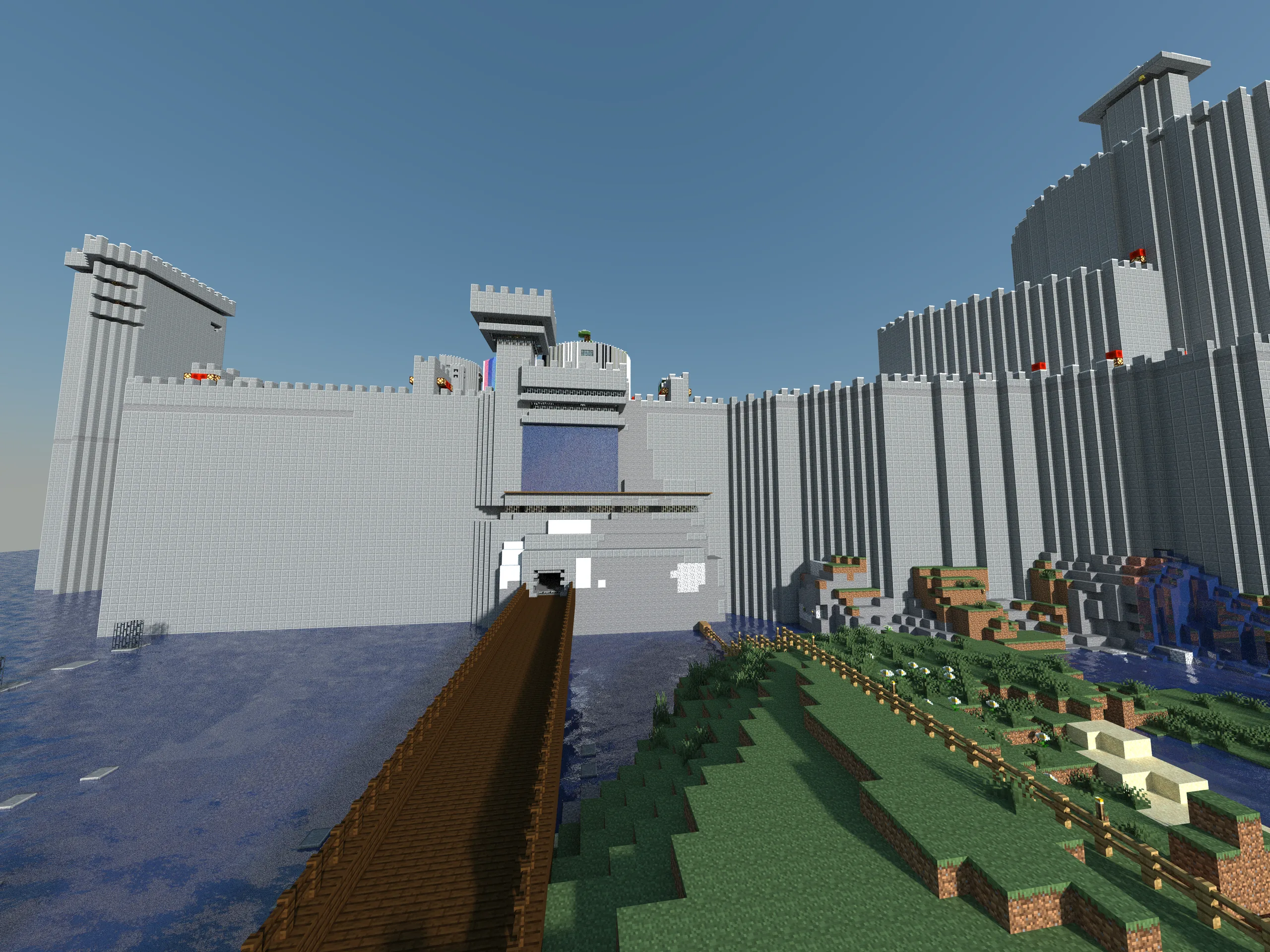
Inside that world he built a computer — Loop 1.0, a working machine made of redstone, with a memory that keeps its bits alive by circulating them. That computer, and the seven years it took to finish, is its own page. This one is about the ground it stood on.
The name is the thread. The Grove sat at the center of the Bohemian Grove city plan. It became the name of the real fifty acres in Maine the operator has been clearing from raw forest for years — where he lives in an RV at Base Camp. And when the methodology needed a name for its first town, it took the same one. The materials changed from voxels to documents to a working forest. The impulse — to plan a place and keep building it — did not.